It’s happened to every vehicle owner at least once: you go to turn the keys in your ignition, and your engine is slow to turn over or fails to do so at all... Instead of hearing the familiar noise that you’re used to, a clicking sound happens, and you find yourself in a vehicle that isn’t going anywhere. This is usually an indication that your car battery has quit.
The first thing to remember is not to panic; there are service centers—such as McCluskey Chevrolet—that can remedy the situation you’ve found yourself in. It’s not just your engine that can fall victim to a faulty battery; you might notice that some of your vehicle’s electrical components aren’t working properly or are operating with limited power. Don't worry—if you’re looking for car battery replacement in Cincinnati, the experts at McCluskey Chevrolet are here to help.
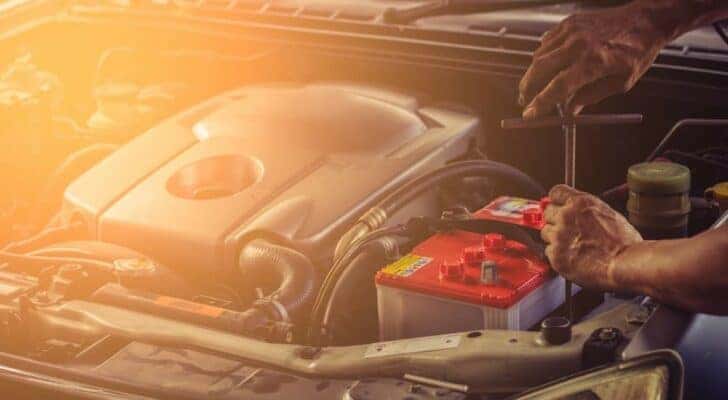
If you take a look under the hood of your car, you might take note of the different machines that are housed together. It’s almost like a mechanical ecosystem, with all of these parts working in unison in order for your car to function properly. The battery serves a fundamental purpose in this operation. The primary purpose of the battery is related to your vehicle’s ingestion system: when you turn your keys in the morning, the battery provides a current of electricity to your vehicle’s starter motor, which allows the engine to turn over.
Your battery is kept charged by your vehicle’s alternator, which charges your battery when the engine is engaged. Your vehicle’s battery, starter, and alternator are the key ingredients in your ignition system functioning properly. Aside from the ignition system, the battery is also responsible for powering the various electrical components that your car is equipped with, such as headlights, stereo, infotainment system, rearview camera, windows, and driver assistance features. A weak battery will cause a great deal of stress on the starter motor and, in some cases, can cause a notable amount of damage.
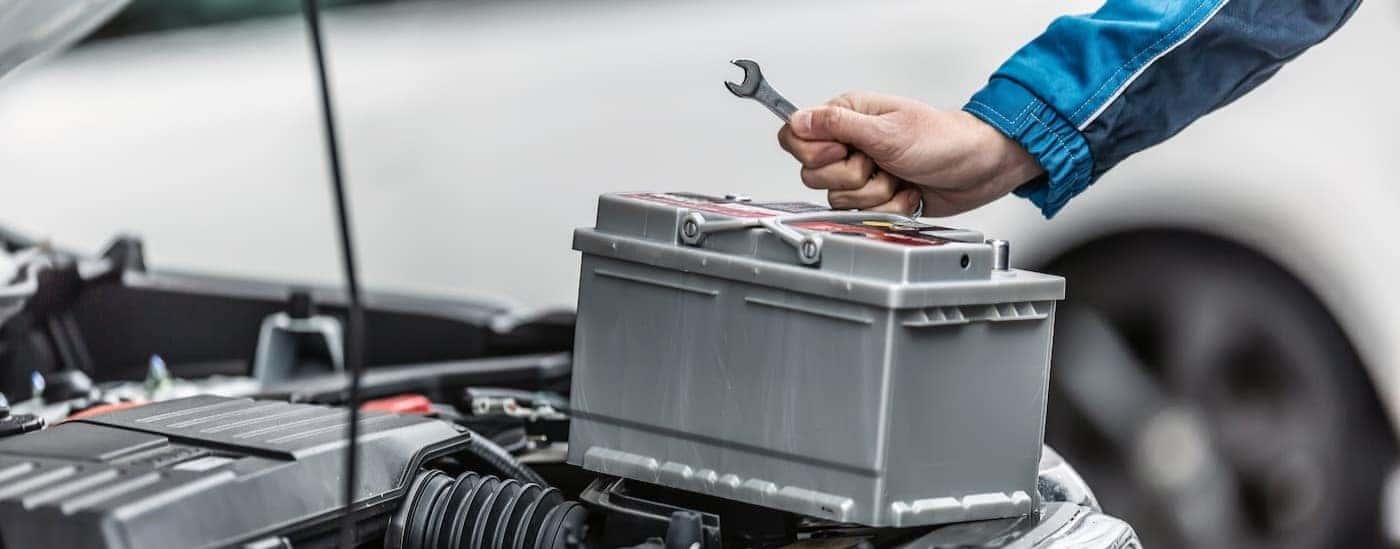
While all vehicles need a battery to properly function, there are different types of batteries to choose from. These are grouped into four categories: valve regulated, gel cell, dry cell, and dry cycle. We’ll now take the time to explain the differences between them...
Valve Regulated Batteries: These tried-and-true batteries employ two lead plates suspended in acid and—in an AGM setup—are separated by a fiberglass mesh that serves to bring the electrolyte between the plates, one of which is negatively charged while the other is positive, allowing the energy to jump from one plate to the other through the electrolyte. These have a life expectancy of three to five years and can be recharged to maintain longevity.
Gel Cell Batteries: A highly durable battery, gel cell batteries have the same expectancy as their AGM counterparts, and some can last even longer. Their unique design prevents them from corroding or leaking, making them incredibly sustainable. They're also valve regulated, but they eschew the fiberglass mesh for mixing the acid with silica, which creates a gel that allows the current to flow from plate to plate.
Dry Cell Batteries: Dry cell batteries are known for being easy to store and require very little in the way of maintenance. However, their life span is much shorter than others on the market, and at the most can last for two years or so. They tend to be the cheapest, making them ideal for drivers who have a keen eye for cost-effectiveness. Rather than two plates in a "wet" acid, these have a compact chemical paste that's excited by a central carbon rod; you may recognize this as the same setup that the AA and AAA batteries in the drawer in your kitchen have.
Deep Cycle Batteries: These aren’t normally used in cars and trucks and are more often utilized in recreational vehicles such as boats, RVs, and ATVs. While they can still be used in cars and trucks, their usage is designed to give a steady stream of power for long distances. One advantage they have is that they can allow you to use the accessories in your vehicle for long periods without the engine running, making them ideal for occupational duties. Deep cycle batteries don't need to hold onto a large portion of power in order to "crank" on to start; they can actually be expended nearly fully, in the same way your laptop or phone batteries can, as they're of the same not-too-taxing design.
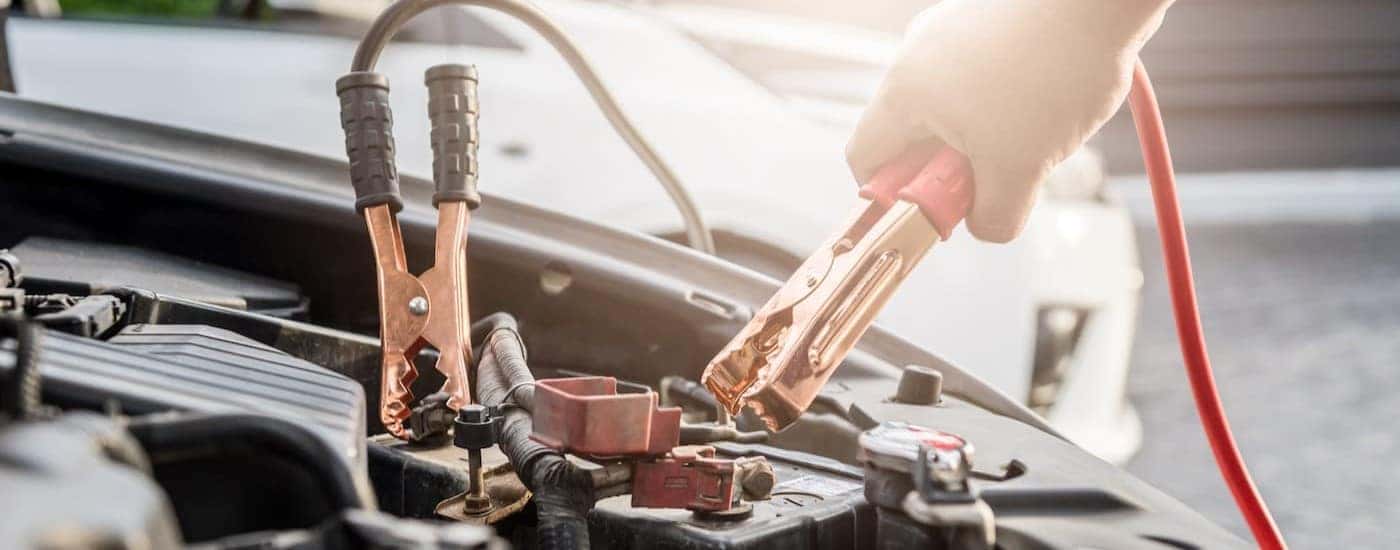
This is a question that gets asked a lot by our customers when they come in for battery-related services. The truth of the matter is that much of this depends on the type of battery you currently have in your vehicle and how long it’s been in use. If you have a dry cell battery that’s no longer functioning, it makes sense to have it replaced with a new one, as its shelf life is expected to last for no longer than two years. However, if you have a valve-regulated or gel-cell battery that’s still relatively new, having it recharged might be the best way to get the most out of it.
Another factor to consider is how often you use the vehicle in which the battery is. If it’s something that you drive every day, and the last time your battery was installed was over three or four years ago, a replacement might be the best option. If a vehicle isn’t driven as much or has been idle for a long period, this can cause the battery to lose its charge; this is where recharging the battery will get it back and running in no time at all.
Having a functioning battery is imperative to keeping your vehicle on the road and running. Here at McCluskey Chevrolet, we can facilitate battery recharging and replacement, but we also offer other essential services meant to sustain the longevity of your purchase. The most routine of these are oil changes and tire rotations, which are needed every 7,000 to 8,000 miles. We also offer brake services and can help you track down the right tires for your vehicle, such as snow or winter tires that are required for the harsh winters of Ohio.
When it comes to getting the right parts for your vehicle, you can always rest assured that our technicians never cut corners. We only use genuine OEM parts that are specifically made for your vehicle, which is essential for it to function properly. If you have concerns about the structural integrity of your vehicle and its many moving parts, we can also perform multi-point inspections to offer complete peace of mind. Today’s vehicles are highly complex, with a vast array of electrical components, sensors, and onboard computers; our technicians make it a point to understand them in all their complexity for your benefit.

Getting maintenance performed on your vehicle at regular intervals is how you sustain its longevity and recoup a return on your investment. The battery in your vehicle—no matter what you drive—plays an integral role in its operation, and you won’t be going too far without one that’s working at peak efficiency. Whether you’re looking to recharge one or have it replaced outright, the experts at McCluskey Chevrolet are here to help.
If you’re having trouble deciding which battery will work best for your vehicle based on how often you drive and what you use it for, we’ll gladly lend our expertise to assist you in choosing what will work best. No matter what you might be looking for, whether it’s service to keep your vehicle on the road or even if you’re in the market for something brand-new, you can always count on us at McCluskey Chevrolet to facilitate your search. Visit us today and see what we can do for you.