How much thought do you give to your tires? If you answered “not much,” then you’re like most drivers who only notice that something is wrong with their tires when the tire pressure indicator alerts them to low tire pressure or when they’re stuck on the side of the road with a flat tire. While these occasions can certainly make us pay attention to our tires, there are plenty of other opportunities to notice how our tires perform, like in rainy conditions when traction is questionable and hydroplaning is a hazardous possibility. This is why the team here at McCluskey Chevrolet goes the extra mile to talk to our customers about the importance of good rain tires.
Why do you need a good rain tire, and what should you look for when shopping for the best rain tire for your climate? We’ll answer this and more as we dive deep into the world of tires, treads, and design. After looking at the anatomy of a tire, we’ll cover everything you need to know about finding a reliable rain tire as well as how the McCluskey Chevrolet team can help with all your tire needs. Let’s dive in!
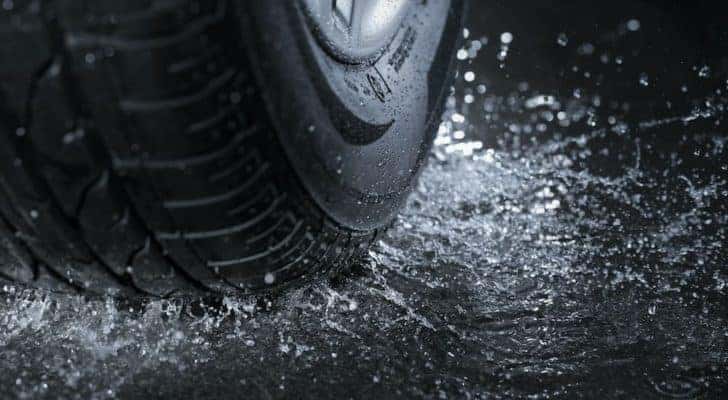
There are three basic types of tires––summer, all-season, and winter––that serve different purposes by offering unique designs to maximize performance and handling. Every tire features the same components––tread, shoulder, and sidewall. The tread is the part of the tire that meets the road and features different patterns that provide traction and grip. These patterns are made up of sipes, which are the grooves or channels that improve the tire’s grip on the road. This is also one factor that differentiates a summer tire from an all-season or winter tire. The sidewall protects the tire from damage caused by the road or from curbs and is united with the tread by the shoulder.
Summer tires perform well in spring, summer, and fall. All-season tires perform well in both warm and cold climates, but they aren’t designed for extreme winter conditions like snow and ice. This is where winter tires shine since their treads are designed to navigate heavy snow and ice with ease. But what does this mean for rain tires?
Summer and all-season tires both make good rain tires but summer tires take the lead when it comes to navigating wet conditions. Summer tires are designed to handle extreme heat and are covered in a sticky rubber compound that can withstand high temperatures as well as the heat caused by friction when the rubber meets the road. They also feature a performance tread with fewer grooves than an all-season tire, which maximizes contact with the road because there’s less area for water to seep into and reduce traction. With fewer grooves, the tires maintain more contact with the road to improve grip and reduce the risk of hydroplaning.
While all-season tires are like the tennis shoes of the tire world and can handle a variety of conditions, they aren’t ideal for rainy environments since they have to meet the best of both warm and cold conditions. This comes at the cost of optimal tread design and traction, which makes a world of difference when you’re navigating a wet road and facing the potential of hydroplaning. Since summer tires are not designed to be used in temperatures lower than 45º Fahrenheit, the tread and rubber compound deliver the ultimate grip and traction in the summer heat and in rainy weather.
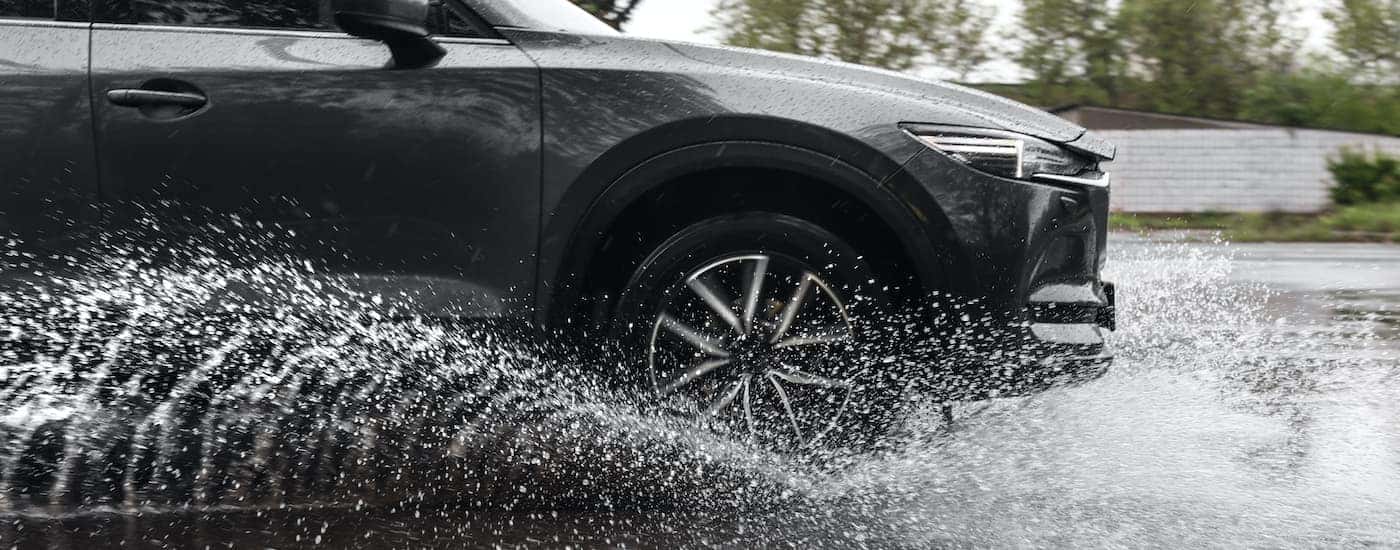
Why would you wear tennis shoes in a rainstorm when you could puddle jump in rain boots without soaking your feet? The same is true when it comes to tires. You need a good rain tire to ensure your safety in harsh weather conditions where there’s a potential for hydroplaning. But picking the right rain tire for your needs depends on the climate in your area.
Summer tires aren’t designed to withstand frigid temperatures, and that’s why we won’t recommend summer tires to every customer who walks through our door. These tires perform exceptionally well in the rain, but they aren’t designed to navigate snow and ice, which makes them useless in climates where you have a brief rainy season in the summer but spend the winter traveling across snow-covered roads. It doesn’t make sense to outfit your vehicle with a summer tire that will only serve you a short period of time.
All-season tires are great year-round, but this versatility comes at the cost of exceptional performance in any one season or condition. However, this is a price many customers will pay since these tires handle well in both the rain and snow. Winter tires, which feature deeper grooves to provide a better grip in snow and slush, are not made to handle extreme heat, nor are they designed to clear rain from the tread at higher speeds. This reduces traction and sets the stage for hydroplaning.
Shopping for tires can be time-consuming and confusing, which is why the team here at McCluskey Chevrolet is happy to help. Your tires are your vehicle’s only contact with the road, and that’s why we take great pride in helping our customers outfit their vehicles with the best tires for their driving needs. This means explaining the advantages and disadvantages of all-season, summer, and winter tires. It also means outlining what to look for when shopping for a tire that will handle well in the rain and prevent hydroplaning.
When you shop for tires with McCluskey Chevrolet, you’ll reap the benefits of our expertise in the automotive industry. We’ll walk you through your options and get to know your driving style and performance needs. From there, we’ll discuss tread differences as well as how each tire scores in terms of wet braking and hydroplaning resistance, both of which tell us a lot about how a tire performs in wet conditions.
Once you’ve selected the best tire for your vehicle, we’ll match the lowest price you find and will get our service department to work on the installation. We’ll also discuss tire maintenance as well as the importance of keeping your tires properly inflated and rotated to ensure their longevity and avoid dangers like hydroplaning in extreme rain. This is why so many of our customers rely on us to help with their tire needs for rain, sleet, snow, and sunshine!

If there’s rain in the weather forecast, will you be ready? Here in Cincinnati, we see about 27 inches of rain each year for an average of 150 days. Our winters are frigid and average around 15 inches of snowfall annually. This can make shopping for tires confusing especially if you’re looking for a tire that will perform well year-round.
Here at McCluskey Chevrolet, we’re ready to help you find the best rain tires that will give you the confidence to drive through the rain and keep you safe behind the wheel. By understanding the different types of tires, the importance of tread design and traction, and your climate, you can make an informed decision about what tires will best suit your driving and lifestyle needs. From there, we’ve got you covered by offering the lowest price in town and a one-stop-shop for all your tire needs from installation to rotation and beyond.