



Are All-Season Tires Good Enough in the Winter?
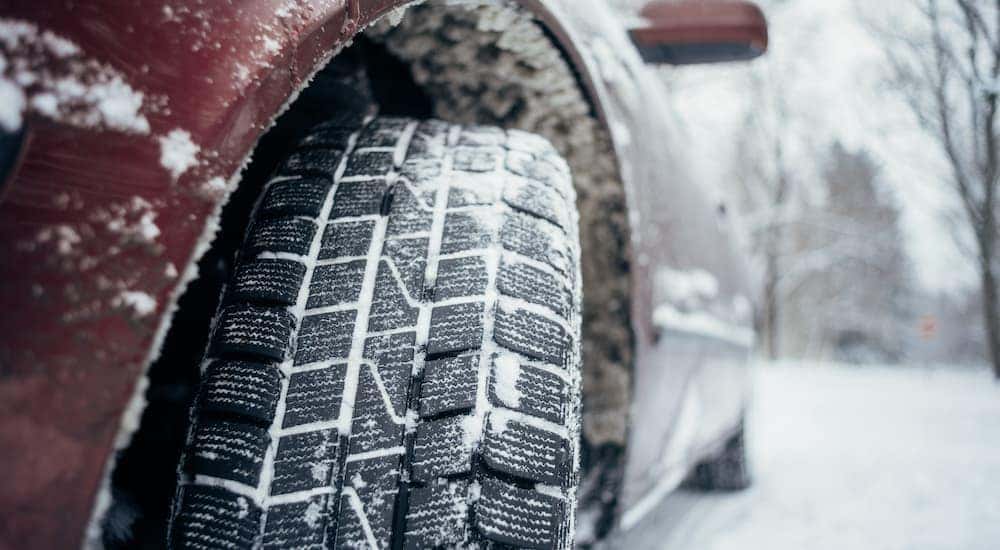
Great question––the short answer is no, all-season tires are not good enough in the winter here in the Cincinnati area, and they’re not good enough in most places that get cold in the winter. The long answer is, well, longer but ultimately comes down to the differences between all-season tires and winter or snow tires (they’re the same thing). These differences go well beyond just one or two things and really come down to fundamental aspects of how they’re designed and manufactured. It’s also worth pointing out that these names are a bit misleading: “all-season” tires don’t work well in all seasons, and “snow” tires aren’t just for snow.
If you’ve been putting off looking for a tire store in Hamilton, OH, to have winter tires put on your vehicle, then we recommend you come visit us at McCluskey Chevrolet. We’re not far from you––you’ll find us in Northern Cincinnati––and our experts are happy to help you with everything you need. Your tires are too important to ignore, especially when it comes to having the proper ones on your vehicle to keep you in control when the weather gets rough. Let’s take a look at the important differences between all-season tires and winter/snow tires, and you’ll see why you need to have the right ones on your car.
All-Season Tire Basics
In order to fully appreciate why you should use winter tires in the winter, beyond the name, it helps to really understand some important basics about these two types of tires. For starters, as the name suggests, all-season tires are designed to work well in different seasons and weather, including both dry and wet conditions. They’re a great choice for spring, summer, and autumn, providing you with excellent traction even during rain and thunderstorms. These are some of the most common tires out there, and they’re typically seen as the default option since they work so well for so many situations.
The grooves in all-season tires are designed to be deep enough to work well in wet conditions without hydroplaning, but they’re made with a fairly regular pattern. These tires are manufactured using rubber that’s engineered to remain soft and pliable in a wide range of temperatures, including fair weather and the heat of summer. Soft, pliable tires are essential for ensuring they can grip the road and give you optimal traction. The major caveat here, however, is that they’re not designed for significant cold––once the temperature drops below 45 degrees, the rubber in these tires becomes firm and more brittle, reducing how well they grab the road and causing you to lose traction.
Overall, all-season tires are designed with a “jack of all trades, master of none” approach that makes them good in lots of different types of weather, but the tradeoff is that they’re not exceptional in any one specific weather condition or temperature. By comparison, summer and winter tires are designed to work extremely well in their particular seasons but not necessarily in a wide range of different seasons and conditions. In some places, all-season tires can live up to their name, but since we experience fairly cold winters here, it’s important to use the proper tires once the temperature drops.
Winter Tire Basics
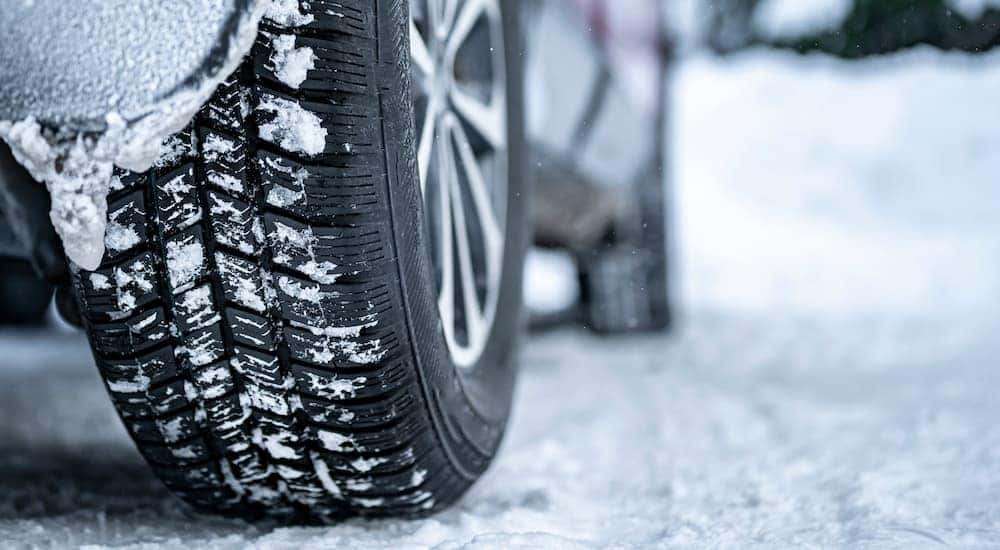
Whereas all-season tires are the “jacks of all trades,” winter tires are the master of a very specific thing: providing you with excellent traction to keep you in control during the winter and the weather conditions that come with it. You’ll hear these called “snow tires” sometimes, but that name can be misleading––winter tires are useful in places that don’t get much snow or ice on the roads, as long as the temperature gets cold enough. That’s why we prefer the name “winter tires” since that’s more accurate for indicating when you should be using them.
Winter tires are designed with deep grooves cut at sharp angles with irregular shapes and patterns to them, making them perfect for snow and slush. These tires do more than keep you from hydroplaning when you encounter melted snow; they can act as shovels to scoop up snow and slush and then toss it out behind your vehicle so your tires can make good contact with the road. They work well on roads with snow, water, and slush; they also work fairly well on icy roads.
Most importantly, winter tires are made using rubber that’s engineered to remain soft and pliable even at cold temperatures below 45 degrees. Since our average temperature is typically below 45 degrees from December to March, winter tires are essential for staying in control when driving around Hamilton, Cincinnati, or anywhere else in Ohio. When the temperature drops can be extreme, winter tires can help you avoid a crash thanks to excellent traction and grip on the road.
Studded Winter Tires
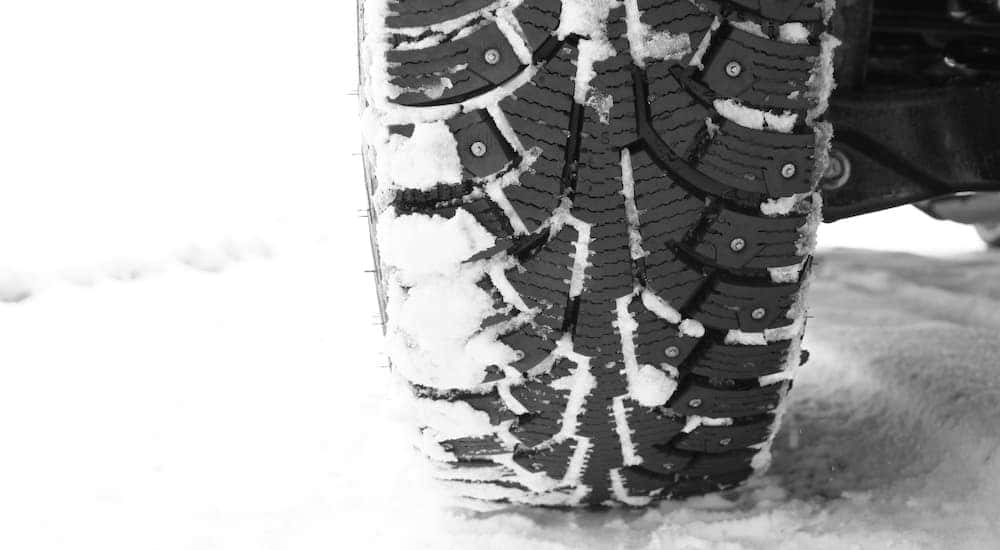
While they can handle ice pretty well, standard winter tires aren’t the absolute best option when it comes to dealing with ice on the road––that prize goes to studded winter/snow tires. These tires have metal studs inserted into their tread during manufacturing, which help break up ice on the road when you drive over it. Here in Ohio, studded tires are legal for use only from November through the middle of April, though we don’t necessarily get enough ice for them around here.
In other parts of the country, and certainly in other countries, studded tires can be absolutely essential for handling icy roads. They’re still not guaranteed to avoid any slipping––ice is always dangerous––but they can make things a lot safer. One major detail to remember, however, is that studded tires have much worse traction on dry roads without any ice, which is why they’re only good for areas where drivers have to deal with a lot of icy roads for extended periods of time.
When Should You Use Winter Tires?
As the name suggests, winter tires should be used in the winter here in Cincinnati and the surrounding area, including Hamilton. Our average temperature drops to 44 degrees in November and doesn’t climb back over that until April. Although the high temperatures can certainly get above that point, the average is what’s most important. This means that it’s a good idea to swap to winter tires sometime between Halloween and Thanksgiving and then change back to all-season or summer tires around Tax Day (April 15th). We don’t usually get much snow in December, but having winter tires ahead of that will mean you’re ready for any that does fall, and you’ll be covered through the conclusion of the snowy season around the end of March.
It’s vitally important that you always have the right tires on your vehicle for the season, which means winter tires once the temperature starts to drop. This also means you’re prepared if you’re going on a road trip somewhere that might have more snow than we do or where you’ll encounter colder temperatures than we get here. It’s always important to be ready for whatever the road throws at you, and that includes rough weather and cold temperatures that can make keeping control of your car a lot more difficult. By having the right tires on your vehicle, it’s easier to have proper traction and avoid collisions that can have very expensive or otherwise catastrophic results.

0 comment(s) so far on Are All-Season Tires Good Enough in the Winter?