



Get a Grip on Winter Driving
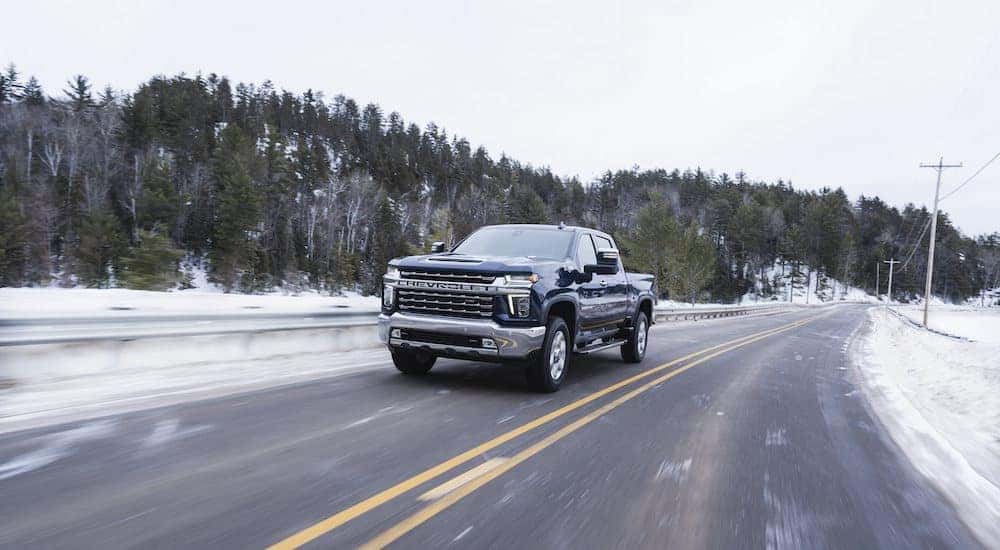
Ohio drivers know a thing or two about driving in the snow. When the white starts to bucket down, roads can get hazardous quickly. Add to that snow, ice, and slush, and driving can become a real challenge. If you’re looking for a way to beat mother nature at her own game this year, the answer could be in your tires.
While some drivers are diligent about switching out tires for winter, others might not have the time or think that it makes much of a difference. Let us tell you, it does. Getting winter tires in Cincinnati can be a game-changer when the roads get slick. What is the difference between winter tires and all-season tires? Is it worth the price? Is it worth taking the time to switch them out? If you think a tire is simply a tire, then you’ll be surprised to learn that isn’t the case, especially when it comes to driving through snow and ice.
All About Winter Tires
When the snow starts to fall in November and doesn’t seem to stop until March, maybe even April, it is important you stay safe. Winter tires are here to help you get a grip on winter and make road conditions a little less dangerous. Winter tires are designed to handle thick, heavy snow and even give you an edge on black ice.
Because winter conditions can change quickly, it’s important to know your tire can handle any winter condition. What’s more stressful than coming out of work after a long day and having to drive home in the middle of a snowstorm in heavy traffic? Winter tires provide grip and traction like no other. They are designed to perform in cold, tough conditions and deliver superior performance when drivers need it the most.
When you see a winter tire, you recognize it right away. It has deeper treads than regular tires, plus rough edges that help them grip ice and snow. It’s not just the tread that helps keep you in control, but even the rubber itself is designed to perform under extremely cold winter conditions. Normal tire rubber can become dry and stiff, leading to weaker performance and less tread than its winter tire counterpart. Winter tires stay soft, flexible, and grip the ice while other tires simply skate on top.
The deeper treads come into play when that snow begins to fall. Deeper treads allow your vehicle to tackle heavier, thick snow and help prevent you from getting stuck, while the pattern is specifically designed to move snow and water outwards as the tire spins to keep it from building up. Even the aggressive design of the edges plays a part in the efficiency of winter tires. Thousands and thousands of tiny saw-tooth slits create a biting edge that improves your tire’s traction when you hit a patch of ice. It’s not just snow and ice, but winter tires excel in providing excellent traction and control on cold pavement, mud, and wet surfaces for an overall safer ride.
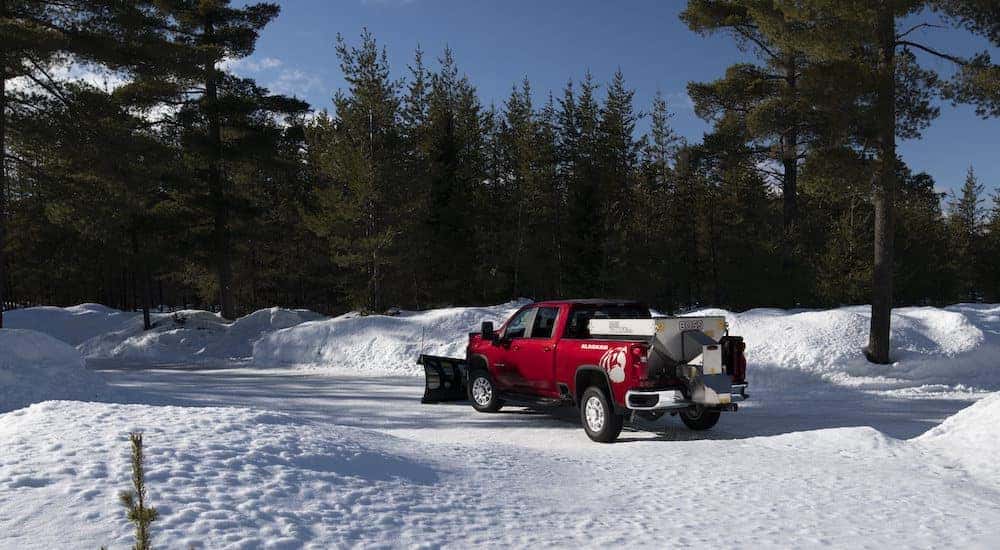
Are All-Season Tires Made for Year-Round Use?
They are called all-season tires for a reason, right? If you can’t use them every month of the year, is there a point to them? Why can’t you just use all-season tires instead of changing them out? With a name like all-season, it’s easy to assume they would be fine for winter. After all, many new vehicles come with all-season tires since they are known to provide a good ride and offer decent performance. People love versatile things that can give them the most for their money and don’t have to be fussed with. We get it. All-season tires sound convenient and reliable, so it’s no wonder they are so popular with drivers.
All-season tires are designed to be the middleman between summer and winter tires, ideal for spring and fall weather. They may not offer the tight handling summer tires provide or the maximum grip and traction that winter tires deliver, but still, they are okay in most situations, and many drivers tend to think that’s enough. While all-season tires aren’t ideal for snow or ice, they can get through just fine most of the time. For the most part, all-season tires give drivers plenty of bang for their buck. They tend to have a long lifespan, perform well in most temperatures above freezing, and work for a variety of vehicles and terrains.
Which Is Better?
Now we get to the real question; are winter tires worth it? It all comes down to how much you drive and the conditions you often face. If you are a commuter or you worry about the safety of yourself and your family, then yes, get winter tires. If you spend most of your time working from home, only venturing out occasionally, then you may be able to get away with all-season tires, assuming you don’t try to drive in adverse conditions. However, as Ohio residents ourselves, we’d say it’s worth investing in winter tires, even if you only drive occasionally. You’re going to be dealing with heavy snowfall, winds, ice, sleet, and hazardous road conditions, so it’s tough to beat winter tires.
When you make the decision to go with winter tires, having them changed out is a quick process. Have your tires changed in early to mid-November before heavy snow begins so that you’re ready for any road conditions. It’s always important to make sure you install a full set to get maximum efficiency from winter tires. Just putting tires on the front or back means there’s an increased chance of loss of traction. Depending on your vehicle, winter tires can set you back several hundred dollars, but for the increased protection on the road, drivers are sure to get their money’s worth. Considering you only use them for about 4-5 months out of the year, they tend to have a long lifespan.
What if you decide to keep your all-season tires? You can attempt to winterize them a bit, but at the end of the day, all-season tires can handle light snow okay, but anything heavy requires true winter tires to get through safely. Taking the time to change out your tires can be one of the best decisions you make when you find yourself facing a blanket of snow. Winter tires offer superior performance and increased safety during icy months that often see the weather change in the blink of an eye.
For mild climates where snow or ice is the exception and not the norm, it is possible to drive on a decent set of all-season tires without having to worry about traction. Where winter tires are made for harsh conditions, all-season tires are not good but not bad; they kind of do it all just fine. However, here in Cincinnati, we get more than just a flurry here and there. It’s simply not worth the risk of not putting on a set of winter tires. Just make sure that when spring rolls around, you switch them back out for your trusty all-season tires. Driving on winter tires all year long can quickly wear down the treads and shorten their lifespan.

Are You Ready for Winter?
While all-season tires seem like they should fit into any driving situation, they aren’t always the best option. If heavy snow, ice, and sleet are the norm where you live, all-season tires can’t beat the design and efficiency that winter tires can provide. Taking the time to change out your tires can be the difference between an accident and a close call. Winter tires maximize traction and give you a stronger grip than all-season tires ever could.
Would you wear sandals in the winter? Or snow boots in the summer? No, we didn’t think so. While your vehicle might have come with all-season tires, switching them out for winter can mean less sliding and less of a chance of getting stuck in a snowbank or sliding off the pavement. So make sure you take the time to stay safe and change to winter tires for a safer driving experience all winter long.

0 comment(s) so far on Get a Grip on Winter Driving