



What You Should Know about Different Types of Gas
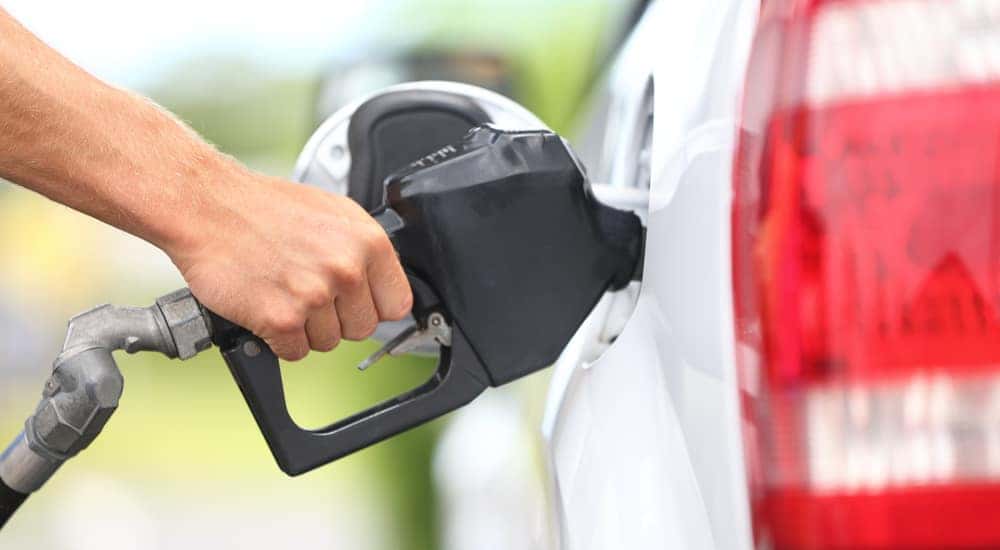
When you shop for used cars in Cincinnati, Ohio, you can save a lot of money on a new (to you) car. Buying a quality previously owned vehicle can really help you keep down the cost of owning a car.
However, you still have to deal with the costs of maintaining the car, which include routine maintenance like oil changes, repairs and, of course, buying gas. Some people feel like buying gas is one of the biggest expenses since they get hit right in the pocketbook every time they fill up.
Many people just buy the cheapest gas, which is almost always unleaded. However, buying the cheapest gas isn’t always the best way to save money. Here’s what you need to know about the different types of gas for your car:
Unleaded
Unleaded gasoline is also referred to as “regular,” and it is the type that most people buy. The majority of cars will run on unleaded gas, but some will not. In some vehicles, unleaded gas can damage the engine and lead to bigger problems over time.
Unleaded gas has the lowest amount of octane and the least amount of cleaning agents. The lower octane — usually Octane 87 — means that in some engines, the gas could self-ignite and cause damage to the pistons. The reduced amount of cleaning agents means that carbon can deposit in the engine, leading to damage and impaired performance over time.
Most of today’s engines are designed to be run on regular gas, and standards have increased to make even unleaded gas cleaner and better for your car. In most cases, you can buy unleaded gas with confidence.
Plus Grade
The mid-grade fuel option may be called different things by different manufacturers, but it is most often noted as “Plus.” It is Octane 89, which means that it takes the fuel longer to burn than unleaded, and it is less likely to self-ignite in the engine. You can think of the quality as two parts regular gas to one part premium gas.
Premium
Premium has the highest octane rating — Octane 91 — and has the most additives to keep the fuel clean. Some high-performing vehicles need premium fuel, and this will be noted in the vehicle’s manual.
However, some manufacturers only suggest, not require, premium fuel. It is important to understand whether you must have premium fuel for your vehicle or it’s just a good idea. Cars that would benefit from but do not require premium fuel will be able to adjust to a lower octane rating if you fill up with unleaded or plus, but they may deliver slightly lower performance. Unless you’re really pushing your car to the max, you’re unlikely to notice the difference.
If your vehicle does require premium fuel, using any other grade can cause serious (and expensive) damage to the engine.
Fill up on the right gas to get the best fuel efficiency and to save money on maintenance and repairs. Shop for used cars in Cincinnati, Ohio to get the best deal on the purchase price.

0 comment(s) so far on What You Should Know about Different Types of Gas