



More Than an Oil Change: Other Key Routine Maintenance Tasks

Generations of drivers have had the oil change imprinted in their minds as the pillar of responsible car maintenance and ownership. It’s familiar, predictable, and easy to plan for because of the uniform intervals.
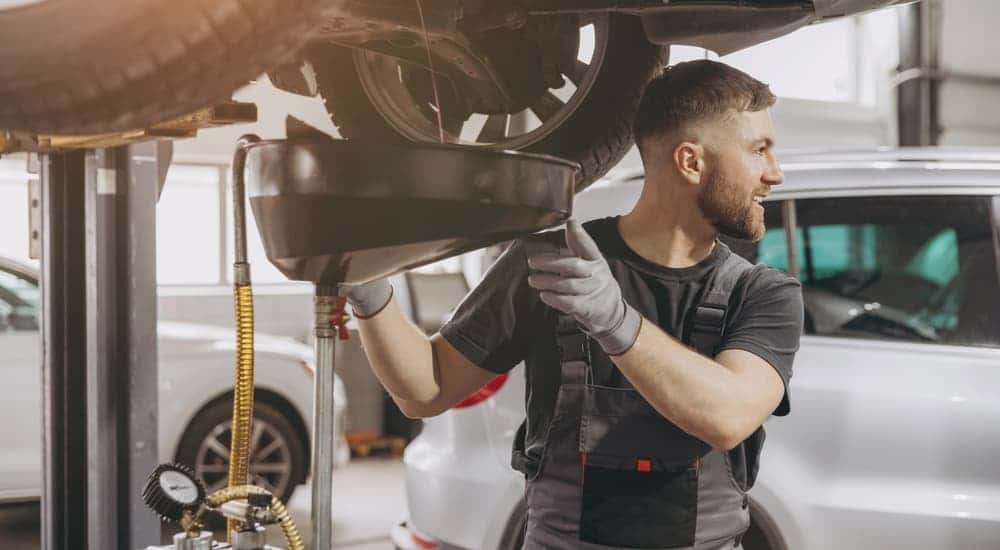
Those intervals also provide opportunities to check the other systems that operate in the background and are too often overlooked. These systems affect factors such as safety, reliability, and the long-term cost of ownership. When a vehicle is already on the lift, most inspections and light maintenance can be performed more efficiently. Doing this will often prevent much larger issues down the road.
Instead of thinking of an oil change as a singular task, we should view it as a checkpoint. Modern vehicles are complex, with dozens of interconnected systems. Catching wear and deterioration early can be the difference between routine upkeep and an unexpected (and often expensive) repair. Let’s take a look at some of the inspections and maintenance items that are commonly paired with oil changes.
Tire Checks & Rotation
During an oil change, the technician can easily inspect your tire tread depth, check for uneven wear, and look for visible damage such as cracks or punctures. Uneven wear can alert you to alignment issues, suspension failures, or improper inflation. Catching these signs early helps extend the life of your tires and maintain solid traction on the road.
Tire rotation is also recommended at oil change intervals. Rotations generally help ensure even wear across all four corners, extend ride quality, and delay the need for replacement.
Brake Inspection
Brake components are considered a ‘wear item’ because they naturally wear over time. Most drivers don’t notice the gradual change in braking performance until it’s too late and their brakes are squealing at them for help. An oil change (especially one that includes a tire rotation) is a convenient time to inspect the brake pads, rotors, and calipers.
A typical brake inspection focuses on pad thickness but also provides feedback on rotor condition and signs of uneven wear. Listening for indicators (like squealing or grinding) can help to prevent more costly repairs down the road. Addressing worn brake pads before they reach their limit preserves the rotor’s surface and ensures you retain adequate stopping power.
Fluid Checks & Flushes
Engine oil isn’t the only fluid required to keep your vehicle in tip-top shape. During an oil change appointment, technicians can check levels and condition of other essential fluids, including:
- Brake Fluid
- Transmission Fluid
- Coolant/Antifreeze
- Power Steering Fluid
- Windshield Washer Fluid
Low fluids that leave the system, like windshield wiper fluid, are generally topped off during every service. Fluids that aren’t supposed to leave their system shouldn’t be low, and if they are, it could signal a leak or internal wear.
For instance, dark or burnt-smelling transmission fluid could signal excessive heat from aging components, while low coolant levels may indicate a slow leak in the system. Monitoring fluid levels and condition over time helps to maintain the health of the vehicle’s systems and reduces the risk of overheating or mechanical failure in the future.
Battery Checks
As seasons change, battery problems are among the most common causes of unexpected breakdowns. Batteries normally appear okay (aside from a little corrosion) until the moment they fail, but routine testing can reveal issues under the surface—like declining cell integrity, or decline of cold-cranking amps—before they leave you stranded.
During an oil change, a quick battery test can measure voltage and cold-cranking performance. Technicians can also inspect the battery terminals for any corrosion and ensure all connections are secure. These simple checks can provide peace of mind and keep you moving down the road instead of looking for jumper cables in the parking lot.
Air Filter Checks
Air filters are a lot more important than most drivers realize. The engine air filter ensures clean airflow into the engine, which ensures sufficient combustion and consistent, reliable performance. A clogged air filter can reduce fuel efficiency and responsiveness over time, and can even lead to more severe problems down the road.
The cabin filter, on the other hand, affects interior air quality and comfort. It filters all of the dust, pollen, and other airborne particles before they enter your air vents. During an oil change, both filters can be quickly inspected and replaced if needed. This will help both the engine and the driver breathe easier.
Belt & Hose Checks
Rubber components, like belts and hoses, are more susceptible to factors such as heat, pressure, and age-related deterioration. Cracks, fraying, and soft spots can develop gradually and often go unnoticed until it’s too late.
An oil change is a perfect opportunity to visually and physically inspect serpentine belts, coolant hoses, and vacuum lines. Identifying early signs of wear allows for scheduled replacement instead of emergency repairs. Since belts and hoses are vital to almost every major system, their condition directly affects the vehicle’s reliability.
Steering & Suspension Inspection
Parts like ball joints, control arm bushings, tie rods, and shocks can loosen or wear out over time, especially on vehicles driven on rough roads or in extreme weather conditions. Failure of steering and suspension components can lead to uneven tire wear, ride discomfort, or handling instability.
During an oil change, technicians can check for excessive play, leaks, or uneven wear patterns. These inspections can help narrow down issues that may otherwise be mistaken for tire problems or alignment concerns. Addressing suspension wear early improves vehicle control and preserves overall driving confidence.
Exhaust System Checks
The exhaust system does much more than just reduce noise. It manages emissions and helps the engine operate more efficiently. Rust, loose or torn hangers, or small leaks can develop over time and cause problems, especially in regions where a lot of road salt is used.
When the vehicle is raised for an oil change, the exhaust system is easier to inspect. Technicians can easily see corrosion, damaged or loose heat shields, or signs of leaks. Early detection of exhaust issues can help maintain proper emissions performance and prevent minor issues from escalating into more expensive repairs.
Wiper & Light Inspections
Visibility is a fundamental safety concern, but wiper blades and exterior lights are often neglected until conditions demand their attention. During an oil change, wipers can be inspected for cracking or streaking, and exterior lighting can be checked for proper operation.
Replacing worn wiper blades improves visibility in rain or snow, ensuring all lights function properly and supporting safe driving and compliance with road regulations. These quick checks contribute to overall vehicle readiness, especially during seasonal changes.
Software Updates & Recalls
The more tech-heavy vehicles get, the more they depend on onboard computers and sensors to operate. During routine service visits, technicians can scan for stored diagnostic trouble codes—even if no warning lights are currently on. In some cases, software updates or reprogram recalls may also be available to improve system performance or address known issues.
Checking for pending alerts or updates during an oil change helps keep vehicle systems operating as intended and can help to resolve minor concerns before they affect driveability.
‘Good Enough’ Is Not the Goal
An oil change may be the most common maintenance appointment, but it doesn’t always have to be a single-purpose visit. When paired with inspections and light maintenance checks, it becomes a valuable opportunity to assess your vehicle’s overall condition. Many of the items inspected during an oil change—tires, brakes, fluids, filters, and batteries—are systems that naturally wear over time and would benefit greatly from routine monitoring.
Scheduling these maintenance items together saves time, ensures consistent performance, and helps drivers stay informed about their vehicle’s condition. Instead of reacting to warning lights, noises, or catastrophic failures, proactive inspections allow for planning, budgeting, and confidence on the road. This practice supports reliability, safety, and a smoother ownership experience, making the oil change more than routine, but rather a cornerstone of responsible vehicle care.

0 comment(s) so far on More Than an Oil Change: Other Key Routine Maintenance Tasks