



New Classic Cars

Everyone loves a classic car. While those old vehicles may not have all the fancy technologies and cutting edge materials of a modern car, they had a level of style and spirit that will never be replicated by any product of current efficiency and safety mandates. Unfortunately, with every year, the golden age of classic cars slips further into the past, and the number of these iconic vehicles shrinks while the prices climb ever higher. Trying to find a classic among the used cars for sale today is becoming increasingly difficult and will only get harder as time passes. However, while an original is undoubtedly the best, there is the alternative of kit cars and replicas.
So what exactly is a kit car or replica? These questions seem simple enough, but the variety of the market means that their answers are fairly complicated. Simply put, kit cars and replicas are modern reproductions of classic cars. However, the accuracy of the reproduction can vary wildly from a simple mockup designed to mimic a classic car from the outside all the way to a near-perfect duplicate of the original design. The term “kit car” is a broader term that refers to any parts kit, including those intended to modify existing cars, while “replica” is used for a modern recreation of a classic car.
While some replicas are fully assembled “turn-key” vehicles that are sold ready to go, many are kit cars and will require substantial work to turn them into a functional vehicle. And this work will often include not only assembly but sourcing major parts such as the engine and running gear. Indeed, some kits are little more than an empty body that must be entirely completed yourself. However, choosing the part needed to finish the kit is part of the fun, and it also allows you to customize the kit car to your exact specifications. And there are other benefits to kit cars too; let’s take a look.
Why Buy a Kit Car?

There are many reasons to buy a kit car instead of an original one. The most common is simply cost or availability. While a well-engineered kit car still requires a good amount of money and time to complete, some classic cars are virtually unattainable. For instance, take the 1969 Chevy Corvette ZL1 – only 3 of these cars were ever built, and you are unlikely to ever see one come up for sale. And even if you are interested in owning a more common vehicle like a 1970 Chevy Chevelle SS, actually finding a used example in good condition might still take months and may even require traveling a considerable distance. On the other hand, buying a kit car version of your favorite classic car can often be a matter of just placing an online order.
However, even if you can easily purchase the classic car you desire, you may still want to consider a reproduction instead. While original classic cars are fantastic pieces of engineering, they are still aging machinery and will not be as reliable as a modern reproduction. So if you are looking for something that you can enjoy driving around town, but you do not have the mechanical skills or time to properly maintain a fifty or more year old vehicle, then buying a reproduction might just be the better choice. Further, reproductions are also usually safer and more comfortable than the originals, which can be an important consideration if you desire to spend a significant amount of time driving your classic car.
Finally, you may wish to buy a kit car simply to enjoy the process of building it. Although buying a used classic car and restoring it can also be a fun hobby for the mechanically-inclined, assembling a kit car is a more straightforward experience that involves less troubleshooting and more following instructions. And since kit cars usually take full advantage of modern components, you will likely have an easier time sourcing parts for your project. However, putting together a kit car will still require a lot of work and a good amount of mechanical skill, and will give you just as much satisfaction when the job is finally done, and you can finally take your new car for its first drive.
Why Buy a Used Classic Car?
However, as good as some reproduction classic cars are, they will never be an original. If you are seeking a classic car in order to experience how they handle, sound, and feel, then a reproduction is not for you. While, in many, ways a reproduction will be a “better” vehicle than the original, unless you go all the way in tracking down original components, it will still be a fairly modern car underneath its skin. That means that no matter how good your reproduction looks, it will never let you experience exactly what it was like to drive an original 1958 Chevy Impala or another iconic classic car.
And while driving a kit car that you built in your garage can provide an incredible feeling of satisfaction, it cannot provide you with the sense of history that comes from driving an original classic car and imagining all the places it went and things it saw. Much of the appeal of classic cars comes from their timeless designs, but just as much of their value is in their history. And even though every mechanical detail can be faithfully reproduced, it is impossible to imbue a car with the aura that comes from being a real part of history. So before buying a kit car or hunting down a used classic car, carefully consider exactly why you want the car and how it will be used in order to determine which alternative is better for your personal needs.
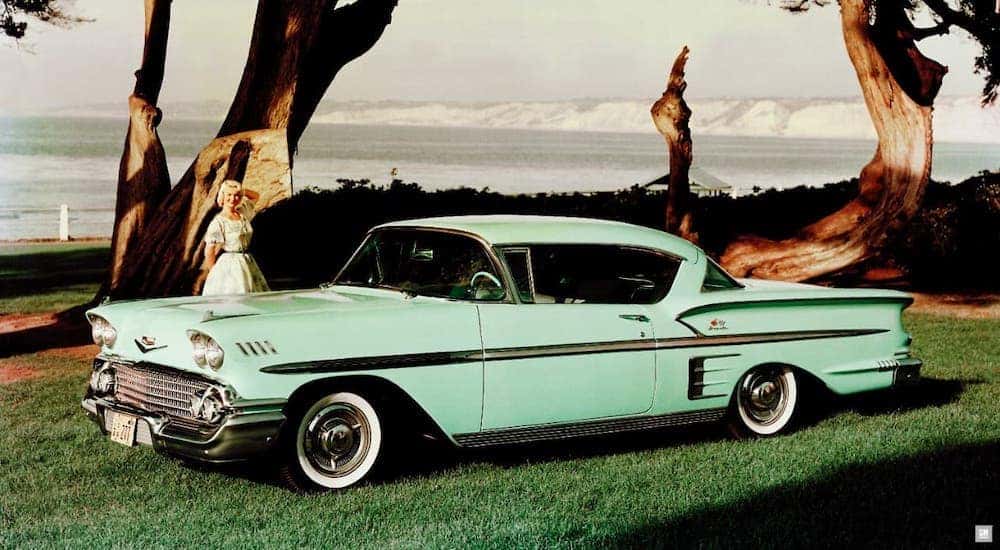
Buying a Kit Car
Buying a used classic car is a straightforward process. As with any used car, it consists of searching websites, dealership lots, and classified ads to find a vehicle that suits your needs. While finding a good used classic car does require a little more knowledge and effort than choosing a used modern car, it is still the same basic process that every driver goes through multiple times in their life. However, buying a kit car is something that very few people have any experience with and is filled with potential pitfalls.
The most important aspect of buying a kit car is research. Make sure you fully understand exactly what a kit requires before placing an order. How much work will you need to do to complete it? What additional components will you need to locate and purchase? And while you are researching the kit, do not forget to research the company as well. While there are many big-name producers of kit cars, there are also plenty of smaller companies with questionable reputations. Look into how long a company has been in business and see if you can find previous customers that are happy with their products before straying from the beaten path.
Finally, make an honest appraisal of your skill level and resources. You do not need to be a master mechanic with a professionally-equipped garage to build a kit car successfully, but if you have never worked on a car before and barely have enough space to park your existing vehicles, then you might want to reconsider before diving headfirst into a project like this. Still, do not let lack of experience stand in your way. Everyone has to start somewhere, and you can almost always find more experienced people who will be willing to help you learn the ropes. As long as you approach the project seriously, a kit car can be a compelling alternative to buying a used classic car and will provide you with a truly one of a kind vehicle as well as plenty of unforgettable memories.

0 comment(s) so far on New Classic Cars