



An Oil Change Can Immediately Improve Performance

There are many reasons to search for oil change coupons in Cincinnati. Above all else, you are hoping to save money with a coupon. Along with this, it may be another reason to move forward with this scheduled service. And of course, you could realize the importance from a performance point of view.
Believe it or not, an oil change can go a long way in improving the performance of your vehicle. Many people don’t believe this to be true, until they finally get on a regular maintenance schedule. Soon enough, they realize their vehicle is performing at a higher level.
What Does Performance Mean?
This means something different to everybody, but for the sake of an oil change it relates primarily to gas mileage.
There is no denying that old oil can lead to a decrease in fuel economy. Just how much depends on many factors, including how old the oil is and the type of vehicle you drive. Even so, you don’t want to take the risk.
Another thing to consider is this: old oil means the engine will run hot. Subsequently, it is less efficient, which means that you will not be able to get full performance in terms of horsepower. In other words, your engine will seem sluggish.
What You Can Do
There are times when it can be a hassle to get an oil change. There are times when you may not feel like spending the money. Even so, you don’t want to get too far behind. Not only can old oil have an impact on the performance of your vehicle, but it can take its toll on your engine.
The best thing you can do is this: follow the manufacturer’s recommended oil change schedule. It doesn’t matter if you wait a few hundred miles longer than suggested, but you don’t want to get too far off track.
Now that you understand how an oil change can impact (positively and negatively) performance, it is time to consider what you have done in the past and what you can do in the future. A change to your schedule may be just what you need. From there, you will be on track in the future and feeling good about the health of your vehicle.
2021 Update
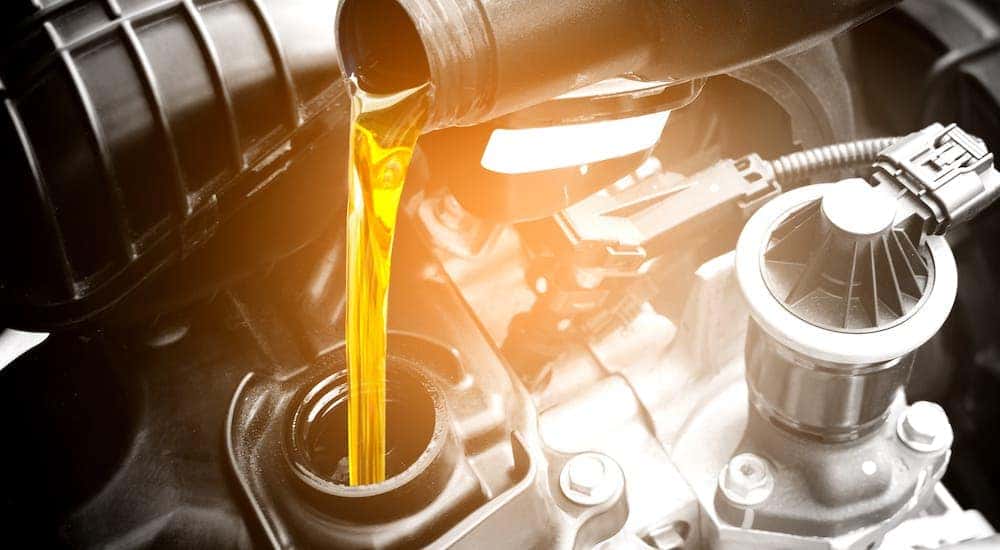
Vehicle performance is just one of the benefits of getting a regular oil change. Like we mentioned earlier, it helps the overall health of the vehicle. If you stay consistent, it could mean your current vehicle lasts even longer, which saves you money in the long run! So what exactly happens during an oil change? We know it’s good and everything, but what exactly does it entail? Honestly, an oil change is different for every car, depending on the engine type, vehicle mileage, and your budget. To get a full understanding, let’s first talk about what an oil change is and why it’s important. This will set the foundation for all the details and guidelines to follow.
What Is An Oil Change?
Simply put, an oil change is replacing the oil and oil filter in your car’s engine. So yes, the name describes it quite accurately. Believe it or not, the oil that’s placed in your vehicle when you buy it doesn’t last forever. You consistently use oil when you drive, so the old oil needs to be removed and new oil put in. If this is news to you, we know you likely have many more questions. We’ll get into all the how, where, and specifics, but we first need to go deeper into the why behind oil changes. We’ve hit on a couple of them, but it’s just the beginning!
Why Is An Oil Change Important?
If you’re still skeptical, know this, an oil change is NOT a dealership’s way of making more money. It’s truly beneficial and necessary for your car’s health. To put it bluntly, if you don’t get an oil change, you will likely end up on the side of the road broken down. We know that an oil change will help your vehicle’s performance and gas mileage, but there’s more an oil change does for your vehicle.
When you take your car in for an oil change, the certified service technician will also remove any dirt and debris in your engine that comes with just normal driving activities. The technical term is sludge that can build up on your engine. Getting an oil change will get rid of all that sludge and gives you a cleaner and more efficient engine.
Regular oil changes also ensure your engine stays lubricated. Remember how old oil makes the engine run hot? That engine is missing the necessary lubrication that prevents the engine from overheating with dry, old oil. One of the steps of an oil change is lubricating the engine, so you can rest assured this small yet essential task is completed each oil change visit. We all know that an overheated engine could lead to some pretty damaging effects.
Just like a yearly visit to the doctor can help promote overall health for your body, an oil change does the same for your entire engine. The best way you can take care of your car’s engine is to complete regular oil changes. This will increase the life of your engine, and ultimately your vehicle. All of these things work together to give you the best engine performance possible.
Types of Oil
The good news with an oil change is you have options as to what oil you choose and what your budget allows. There are three different oil types for your car including, synthetic, synthetic blend, and conventional. Your budget will largely determine which oil you want to use in your car, but keep in mind the age of your vehicle and the climate you live in could justify one oil type over another. Not every vehicle can use every type of oil, so make sure you are buying the right oil for your car if you are changing it yourself or have a professional do it if you are unsure. Here are the different types of oil.
Synthetic Oil
Synthetic oil provides the most optimal performance for your engine. It helps prevent oil sludge, improves fuel economy, and gives you high lubrication levels. Combine all of this, and you have a pretty stellar engine. If your vehicle is high performance and you are really pushing it to the limit, synthetic oil is likely your best option.
This is also a good option if you live in a climate with extreme seasonal temperatures or if you have an older car. The only downside to synthetic oil is it can be quite expensive compared to synthetic blend and conventional. If your vehicle doesn’t truly need synthetic oil, you might be very pleased with a synthetic blend.
Synthetic Blend Oil
Synthetic blend oil is a happy compromise. It’s a blend of synthetic oil and conventional oil. You still get some of the great benefits of fully synthetic oil, but at a more reasonable price point. If you’ve been using conventional oil for a while and want to eventually switch to synthetic oil, then starting with a synthetic blend is a good transition for that change. Even if you’re happy to live out your vehicle’s life with the synthetic blend oil, you are certainly making a wise decision.
Conventional Oil
Finally, we have the conventional oil option, and it’s the most commonly used. There is honestly nothing wrong with choosing a conventional oil. If your vehicle is newer and has less mileage on it, then you can definitely get by with conventional oil. Obviously, the price point for conventional oil is the most affordable among all the oil options. Talk with our service team to ensure that conventional oil is the best suited for your specific vehicle’s needs. If all checks out, enjoy the cost savings!
High Mileage Oil
High mileage oil is specifically designed for vehicles with, well, high mileage. It is usually recommended you switch to a high mileage oil when your vehicle reaches the 75,000-mile mark. This oil is formulated to help reduce oil consumption, minimize leaks, and reduce emissions.

How Often Should You Get An Oil Change?
Now to answer the question that’s on everyone’s minds, how often are you supposed to get an oil change? Your vehicle’s owner’s manual will give you a recommendation based on your make and model, but it largely has to do with your oil type, vehicle mileage and age, and driving conditions. Older cars over 100,000 miles, for example, might need to be checked out more often than a current model year vehicle using synthetic blend oil.
If you’re using synthetic oil, you might go as far as 15,000 miles before needing another oil change. A synthetic blend oil likely requires service between 5,000-7,500 miles. For conventional oil engines, you will probably need to have an oil change between 3,000-5,000 miles. If you’re a low mileage driver, it’s a good idea to still have your oil changed every 12 months or so. Luckily, a lot of newer vehicles will tell you when you need to get an oil change. At McCluskey Chevrolet, we work extra hard to ensure your oil change is completed effectively and efficiently, so you spend less time with us and more time out on the road.
Oil Changes Are Necessary
Oil changes are a regular and extremely necessary part of owning a vehicle. This simple vehicle maintenance task will have long term effects on your car in the best possible way. It ultimately keeps your vehicle operating just as you need and want it to. You may find yourself in our service center less often than you think when you keep on top of your oil changes. Oil changes are necessary for your vehicle’s lifetime, but simple choices can make it an easier and more affordable process. Schedule your oil change at McCluskey Chevrolet today!

0 comment(s) so far on An Oil Change Can Immediately Improve Performance