



Should You Repair or Replace Your Aging Delivery Van?
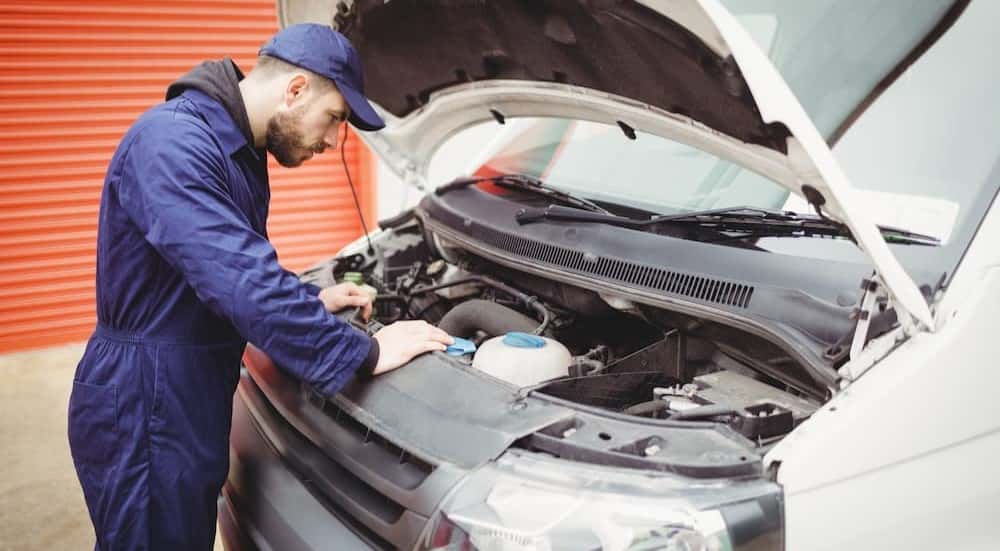
Owning and running a business requires wearing many hats, from managing your team, scheduling, and payroll to planning for future growth, overseeing marketing campaigns, and keeping customers happy. When your business relies on a fleet, those responsibilities stretch even further. Managing your fleet also means finding a reputable team to handle delivery van service in Cincinnati. By then, you might be wondering if your van is worth repairing or if it’s time for a replacement.
McCluskey Chevrolet is your dedicated fleet partner. We know the demands of owning a business with a fleet and understand the intricacies of operating costs, compliance, downtime, and demand. We’re here to lend our expertise and share a few factors to consider when determining whether it’s time to repair or replace a delivery van in your fleet.
#1. Which Is the Better Investment?
One of the first considerations in determining the next steps to take with your fleet is turning to a team you can trust for a repair estimate. Our team can assess your van’s current condition and needs and provide an estimated repair timeline and the associated costs. This information is valuable because you can compare the estimated repair expenses to the cost of a replacement.
Are the repairs significantly higher than the cost of a new van? Typically, if the repairs cost more than half the van’s current market value, it’s a better investment to replace the vehicle. Likewise, if the van consistently breaks down and needs major repairs, the ongoing maintenance needs and its negative impact on your business’ productivity can significantly increase your expenses and operating costs. Because of this, it’s often better to replace the van.
What if your van needs a simple repair? For example, one delivery van in your fleet might be ten years old but only needs a brake tune-up and a new battery. With minimal maintenance expenses, there’s no obvious or pressing need to replace the vehicle. Moreover, a new battery and a brake tune-up are much more affordable.
#2. Reliability and Downtime
As you weigh the cost of repairs against the cost of a replacement, it’s also important to consider your van’s current impact on your business. For example, if your van is relatively predictable and runs like a well-oiled machine with routine maintenance, it’s still a reliable investment. However, if one of your vans frequently breaks down, it’s negatively impacting your business. How so?
When a van breaks down, your fleet isn’t operating at its full capacity. Instead, higher demands are placed on the rest of your fleet, meaning more wear and tear on these vans and their drivers. Likewise, putting your van out of service can affect customer satisfaction because the van’s downtime negatively impacts your efficiency or effectiveness in providing a service. In extreme cases, an unreliable van that frequently breaks down can lead to far more than costly repairs, such as disgruntled customers who take their business elsewhere.
#3. Operating Costs
What’s the oldest delivery van in your fleet? How does its performance compare to the youngest or newest model? We ask these questions because older delivery vans typically yield higher operating costs.
Think about the vast improvements we’ve seen throughout the automotive industry in the last decade. Those same advancements impact commercial fleets, meaning an older delivery van likely isn’t as efficient or eco-friendly as newer models. Because of this, the van burns more fuel, meaning your team spends more time and money at the fuel pump rather than keeping your business on the road.
Beyond being less efficient, delivery vans face extensive wear and tear as they meet your business’s demands. This daily wear and tear leads to faster depreciation and more frequent service needs. These services add to your operating costs and, depending on the complexity, lead to additional downtime that can hinder your business’s efficiency and effectiveness on a day-to-day basis.

#4. Safety Features
Safety is another crucial consideration when determining whether to repair or replace your delivery van. Industry-wide safety standards have increased significantly over the last several decades, with automakers introducing new technologies and features that heighten our situational awareness and mitigate the potential for collisions. Commercial vehicles like delivery vans reap the benefits of these standards, mobilizing your business and keeping your team safe on the road.
If your delivery van is older, it may not have the latest safety features. For example, your drivers may not benefit from better visibility with a backup camera. Moreover, lane-keeping and blind-spot monitoring tools may be non-existent because the technologies weren’t prevalent at the time. If this is the case, it’s worth considering a replacement with more advanced safety features since these technologies instill confidence in your drivers and ensure your fleet complies with the latest regulations.
#5. Image and Future Needs
What does your delivery van say about your business? Is it well-kept and pristine, or run-down with dents, dings, and scratches around the body? Is its age apparent, or would it be hard to guess that it’s not a newer model? These questions are essential because your delivery van is a mobile advertisement for your business. A well-kept or newer delivery van looks professional and offers a better impression to your customers.
Now, consider your current business and what you envision for the future. Most companies anticipate and plan for growth, meaning it’s crucial to look at your delivery van and its current impact. Is your delivery van large enough to accommodate the demands of your business? Would a larger van help scale your operations and achieve your future goals?
#6. Incentives and Value
As you explore these factors, it’s also important to consider the financial impact of a new delivery van on your business. If you’re leaning more toward replacing your delivery van, consider how you can maximize your investment. For example, new vehicles depreciate faster initially. Still, that loss in value decreases over time, making a delivery van an outstanding long-term investment with routine maintenance and service to maintain its like-new condition.
Many businesses are also eligible for tax deductions and incentives when they purchase a new fleet vehicle, like a delivery van. These deductions help mitigate your investment and can make the decision to buy a replacement easier. Exploring these deductions and your company’s eligibility is essential, especially when weighing the investment against the cost of repairing your current van and the associated expenses with its increasing maintenance needs.

#7. Consider the Big Picture
The last factor to consider is the “big picture” and how the factors we listed above fall on your pros and cons list. Why? Unless your delivery van is entirely out of service without any chance of repair, the decision to repair or replace it is more complex.
Let’s say that your current delivery van is reliable but burns excessive amounts of fuel, has minimal safety features, and is too small to meet the demands of your business. It also looks its age and doesn’t paint the best picture of your company’s professionalism. While the van’s reliability might make repairs more appealing in the short term, a replacement might be a better long-term investment. Why? A new van is an investment that can effectively handle your business’ growth, keep your team safe with modern driver-assist technologies, and save you money at the pump and on service.
Looking at these factors as a whole gives you a better idea of whether to replace or repair your delivery van. Sometimes, fleet managers need an outsider to offer a new perspective, which is where our team can help by outlining your van’s current needs, anticipating upcoming maintenance, and reviewing its impact on your operations to give you valuable insight and the confidence to make the best decision for your business.

0 comment(s) so far on Should You Repair or Replace Your Aging Delivery Van?