



Why Studded Tires Damage Roads

Do you find yourself shopping for new tires? Are you interested in those that may be able to provide additional traction during the cold winter months? If so, you are not alone.
While there are many options to consider, some consumers immediately turn their attention to studded tires. They believe this is the best way to improve traction, regardless of how bad the conditions become.
But did you know that studded tires are no longer as popular as they once were? There are many reasons for this, including the fact that they can damage the roadways. As a result, the roads can become more dangerous for other drivers.
What’s the Problem?
Simply put, studded tires can damage roads by causing friction. Subsequently, this creates ruts in the surface of the road, thus increasing the chance of water and ice build-up.
Furthermore, studded tires can create a smoother surface, which can lead to slippery conditions when snow or rain begins to fall.
If you are thinking about buying studded tires, here is something to consider: these are illegal in nine states, including: Wisconsin, Utah, Mississippi, Minnesota, Michigan, Louisiana, Illinois, Hawaii, and Alabama.
Is your home state on this list? If so, you are not permitted to use studded tires on public roadways.
Note: while your state may not be on the list, you could find yourself traveling during the winter months. In this case, make sure you don’t take studded tires into one of the states listed above. If you do, you could soon find yourself in trouble with the authorities.
You Have Other Options
As tempting as it may be to purchase studded tires, you now realize that this is not always the best idea.
Not only are these illegal in some states, but they can also cause damage to the roads. When that happens, you are increasing the chance of an accident. Is that something you want to be responsible for?
Fortunately, there are other options. Today’s tires are manufactured to stand up to all types of weather, including the most serious of conditions during the winter season.
If you find yourself searching for tires in Cincinnati, don’t hesitate to contact us. We are more than happy to show you why studded tires are a thing of the past, and what you should opt for instead.
Don’t Stick with All-Season Tires
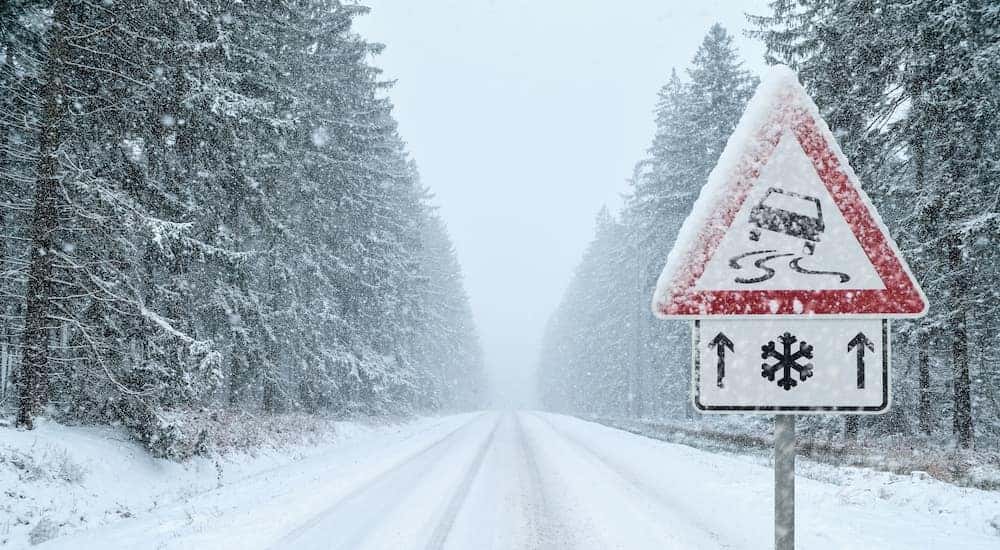
Before we get into which tires you should choose for your vehicle, let’s take a moment to talk about what tires you should absolutely not have when dealing with snow and rough winter weather. Despite what their name might suggest, all-season tires really aren’t the right choice if you live somewhere with snowy, wet winters – like here in Cincinnati. If you’re reading this while enjoying the abundant warmth and sunshine of winter in Southern California or Arizona, then all-season tires likely live up to their name for you.
For the rest of us, however, they should really be considered “general use” tires instead. They work well in warm and cool weather, and they offer great traction in the sunshine and when it rains – but serious winter weather is a lot more than that. There are two main factors in the winter that you need to keep in mind when it comes to your tires: the temperature and road conditions.
In the winter, in places like the Midwest US, the weather gets very cold (I know I don’t have to tell you that, but it’s still important). These cold temperatures make the rubber in most tires, such as all-season tires, much harder and generally more brittle. Since they are firm, they cannot flex and adjust naturally when in use, so you don’t get the same excellent traction from them that you do in warmer weather.
While all-season tires are designed to handle rain, even heavy amounts of rain, they’re not meant to be able to handle snow, slush, and ice. Rain is generally pretty easy to design for – deep grooves with particular designs move water away from your tires so they can make good contact with the road. When you’re dealing with thick snow and slush, as well as hard ice, then those tires just can’t do their jobs properly anymore.
Better Option – Winter Tires
When you’re getting ready for cold winter weather and rough road conditions, then winter tires or snow tires are really what you need. In general, these two terms are usually used interchangeably, especially if you’re looking at un-studded tires to ensure you don’t damage the road. Different manufacturers can use different terms for describing their tires, but if you see something described as a “winter” or “snow” tire, then it will probably do the job.
Winter tires are made using rubber that has been engineered to maintain a soft, pliable state even at very low temperatures. So when the thermometer drops and regular tires become stiff and offer an inferior driving experience, winter and snow tires still give you excellent traction on the road. This is why you want to change to your winter tires well before the first snow falls – not only because it’s best to not be caught off guard, but also because they provide you with better traction even on dry roads when it’s very cold.
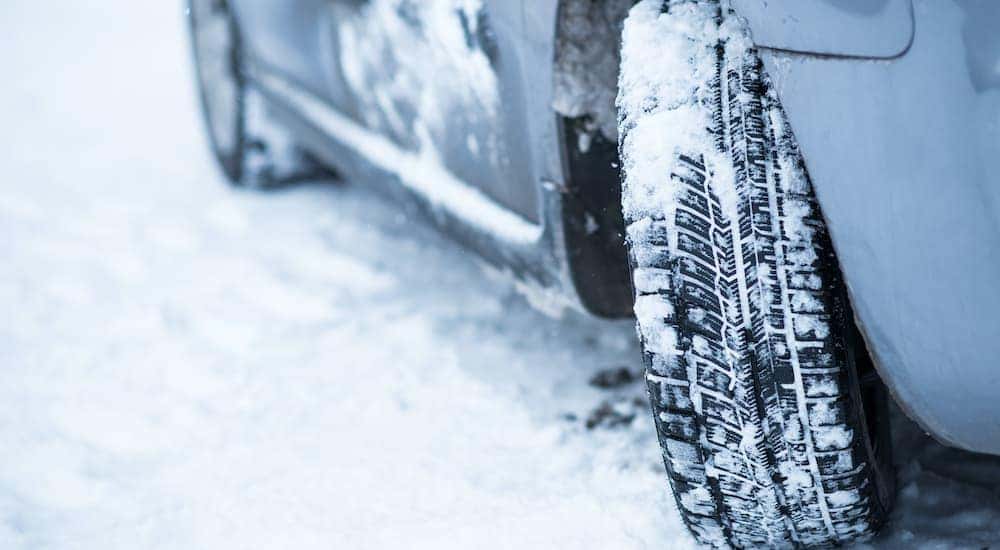
Winter and snow tires are also designed to handle the kinds of road conditions that this sort of weather tends to bring with it, namely snow, slush, and ice. A lot of research and engineering goes into the design of the treads and grooves on snow tires to ensure that they can handle not just water from rain or melted snow but also the thicker snow and slush. These tires avoid having snow and slush buildup in their treads, so you get the best traction possible in sloppy road conditions, which ensures you can stop in a short distance when you hit the brakes.

Our Favorite Winter Tires
There are quite a few different snow and winter tire models available, and there’s no single one that’s definitely perfect for everyone. It’s a good idea to look at the options and see which one will best meet your particular needs and the kinds of road conditions you tend to deal with. If you’re not sure which winter tires are right for you, then come visit us at McCluskey Chevrolet, and we’d be happy to discuss your options and make sure you have the perfect tires on your car, truck, or SUV.
Some of our favorite winter/snow tires include:
Nokian Hakkapeliitta R3
This is an amazing piece of tire design that comes from a brand in Finland – they’re actually the company that made the first winter tires. The kind of weather they deal with puts even our winters to shame, so they understand the needs of a driver in snow, slush, and ice. This might be the most impressive snow tire on the road, with a silica compound used in the rubber to ensure excellent grip without the use of damaging studs. That makes them a pretty expensive option, but if you need the best snow tires possible, then you should strongly consider these ones.
Michelin X-Ice Snow
If you’re looking for something a bit more mainstream but still offering excellent performance in the winter, then consider these tires from Michelin. This is the latest model, replacing the previous X-Ice Xi3 tires, though you might still find some of the older ones available. These are great winter tires that handle snow and slush very well, plus they offer a very good road feel even when there’s no snow.
Continental Viking Contact 7
This is another one of our favorite tire options for the snow and the most recent winter tire from Continental. One thing we really like about these tires is that they’re made with a process involving the use of canola oil to ensure they remain soft in extreme cold to provide you with excellent grip. They work very well, and this process is quite environmentally friendly, which is always a good thing. The treads and grooves have a surprisingly uniform design, but they’re ridged with an uncountable number of sipes to help prevent snow buildup.
Bridgestone Blizzak WS90
The previous Blizzak WS80 tires were quite popular, and these WS90 models are the next generation of Bridgestone’s impressive snow tires. Rather than offering just one or two minor improvements, these tires have a new tread design and have been engineered using a new rubber compound. The result is a set of excellent snow tires that can handle pretty much anything the winter months throw at you while staying flexible in the coldest weather. One complaint some drivers have had is that they can be rather loud on the road, but this is a minor issue when you consider how impressive their performance is.
Pirelli P Zero Winter
This is a bit of a unique option that is more of a winter tire than a snow tire. While it can perform better than an all-season tire in the slush and snow, it’s not as good as something like the Nokian model or the Michelin X-Ice Snow. What really sets this apart, however, is that it handles beautifully on dry roads in very cold weather, providing you with incredible traction and grip. So if you deal with cold temperatures but not a lot of snow and ice, then this is going to give you amazing performance.
Dunlop Winter Maxx WM02
Our last pick, but that’s certainly not meant as a criticism – this is a great winter tire that represents Dunlop’s second-generation Winter Maxx offering. They work very well in extreme cold with an asymmetrical tread design that is great at handling snow and slush and provides a quiet driving experience. Perhaps the best thing about these tires, however, is that you can often find them at a lower price than a lot of the other ones we looked at. But don’t let that price fool you; these are still fantastic winter tires.

0 comment(s) so far on Why Studded Tires Damage Roads