



Top Signs Your Delivery Van Needs Immediate Service

Your business runs on a tight schedule, and your fleet delivery van needs to run right so you can make each stop. Like all vehicles, though, a delivery van undergoes a lot of stress, undeniably more than a passenger car, because they’re used frequently and often carry heavy loads. A study from the American Trucking Association and FleetNet America found that, on average, a fleet van or truck breaks down every 10,000 miles. Considering the typical delivery vehicle travels around 12,000 miles a year, you should plan for at least one annual issue to crop up as an unfortunate part of doing business.
When you experience a breakdown, McCluskey Chevrolet offers delivery van service in Cincinnati to get you fixed up. We know how valuable your van is to your business, though, and we don’t want it to be sidelined any longer than necessary. That’s why we put together this list of the top signs your delivery van needs to be taken to a service center immediately. Spotting potential issues and addressing them quickly can be the difference between a few hours at the shop and your van being out of commission for weeks. As such, drivers and fleet managers should always be on the lookout for these signs.
Dashboard Warning Lights
Your van’s engine control unit (ECU) will often sense something is wrong before you do. When it does, a dashboard alert will light up. In addition to the generic check engine light, other warning lights indicate problems with the oil pressure, brakes, tire pressure, traction control, airbags, and more. When one or more of these lights come on, you should use an OBD II scanner to diagnose the issue or bring the van to a service center so they can. Even if it’s something relatively minor, you can get the problem fixed before it spirals.
Strange Noises
Over time, drivers get a pretty good idea of what their delivery van is supposed to sound like. When you’re driving down I-71 with no cars around you and hear unexpected noises, it’s a major warning sign. Here are a few strange engine sounds and what they might mean.
- Knocking and Ticking: Engine problems such as low oil or misaligned valves
- Screeching and Scraping: Worn-out brake pads or damaged rotors
- Hissing: A cooling or vacuum system leak
- Chugging: Something blocking the exhaust pipes
- Clunking and Thumping: Worn-out suspension parts or flat-spotted tires
- Squealing: Damaged engine belts or low power steering fluid levels
Strange Odors
Likewise, smells that are out of the ordinary should be addressed right away. A burning odor is the most common unusual smell and can mean many things, including a bad clutch, electrical short, seized brake caliper, or clogged heating vent. The smell of rotten eggs usually indicates a transmission fluid leak or a bad catalytic converter. Is the scent of vinegar suddenly prevalent? You might have a battery acid leak or a dirty cabin air filter. Finally, keep your nostrils on alert for the smell of exhaust fumes (exhaust system leak) and pancake syrup (coolant leaks or clogging).
Acceleration and Power Are Sluggish
Are you having trouble pulling away from traffic lights on Montgomery Road or suddenly can’t reach highway speed? Those are big red flags. When your van experiences a noticeable drop in horsepower and torque, it can mean a problem with the engine, transmission, exhaust, or fuel system. Either way, you should have this checked immediately. Complications with any of these components are only going to get worse if they’re left unattended. Another sign of problems in these areas is if the fuel mileage suddenly plummets.
Shifting Trouble
On a related note, you may notice an automatic transmission is having difficulty shifting into certain gears, or the RPM shift points have suddenly changed significantly. If you’re driving an older van that has a manual transmission, you may not be able to grab these gears or might hear grinding as you shift. Get your van off the road and to a service center as soon as possible should any of this happen. It could mean anything from contaminated transmission fluid to broken gears and worn-out clutches, all of which must be repaired pronto.
Fluid Leaks
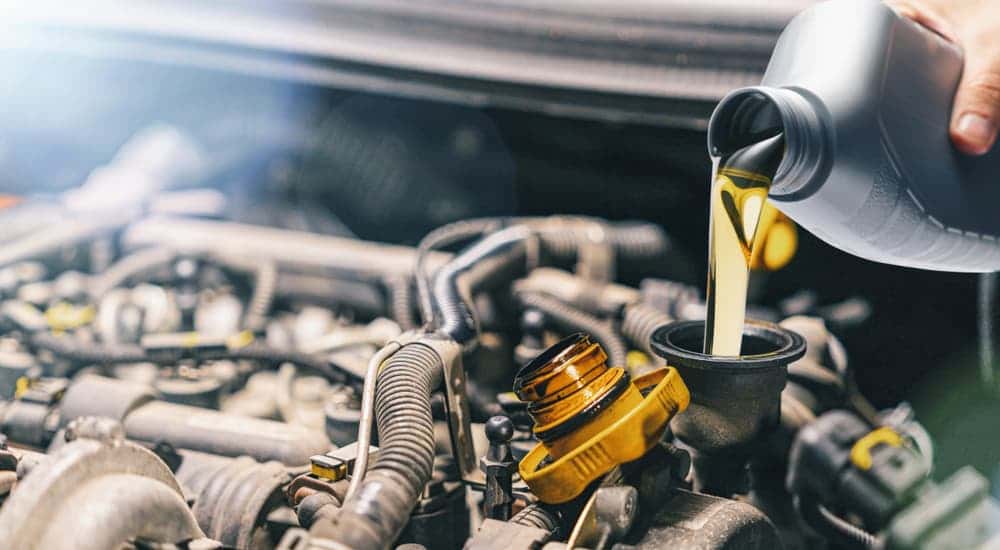
A little clear moisture under your vehicle is normal from AC condensation drainage or winter snow melt-off. If you pull away from a parking spot and see a puddle that’s colorful and/or smelly, though, that means fluid is leaking. Whether the fluid is leaking from the component, a cracked line, or a fitting, it should be considered an emergency. Here’s a list of common engine fluids to look for and their color:
- Motor Oil: Light brown, dark brown, or black
- Transmission Fluid: Brown or red
- Brake Fluid: Light yellow or brown
- Power Steering Fluid: Red, brown, or clear
- Coolant: Various bright colors, including orange, pink, green, and blue-green
The Van Feels Unstable
Admittedly, a delivery van will never have the refined driving manners of a luxury sedan. However, you’ll know when you’re feeling excessive rattling, swaying, vibrating, bouncing, and other behavior that’s out of the ordinary. Whether these things happen in a straight line or turning on the tight Cincinnati side streets, they’re a cause for immediate service. Weird driving dynamics can indicate many things, including worn or broken suspension parts, misaligned or unbalanced tires, or bad wheel bearings. All of them make the van more difficult to control, raising the chances of a full breakdown or accident.
Braking Problems
Heavy delivery vans require good brakes to stop safely, which makes it even more vital to address braking issues promptly. In addition to the sounds mentioned, the brake pedal may feel weak and spongy or fail to engage. Perhaps the brakes engage, but it takes a lot longer to stop than usual. These can mean possible problems such as worn-out pads, fluid leaks, warped rotors, and defective master cylinders. Bring the van to a service center as soon as you can before the brakes fail completely.
Engine Is Running Hot
It’s common on most vehicles for the regular operating temperature to indicate just below halfway on the dashboard temperature gauge. A little higher is normal on hot Cincinnati summer days. If the gauge consistently approaches or reaches the red danger zone, though, the van needs immediate attention. All coolant breaks down over time, so if you’re lucky, you’re simply overdue for a coolant change. More serious potential issues include low coolant, loose hoses, or a radiator leak.
Get Your Delivery Van Serviced at McCluskey Chevrolet
Statistically speaking, you can’t avoid a delivery van breakdown forever, but you can do a lot to limit the risks and the damage. Identifying these warning signs and getting the problem repaired will save you time and money, helping your Cincinnati business stay on schedule and satisfy customers.
Whether you’re delivering parcels, auto parts, furniture, construction tools, or people, you can bring your van to us whenever it needs service. We have full parts and service departments with certified technicians who can work on all van makes and models. Furthermore, our delivery service center is open seven days a week, and no appointment is necessary. In addition to urgent repairs, we offer delivery van preventative maintenance at the guaranteed best prices.

0 comment(s) so far on Top Signs Your Delivery Van Needs Immediate Service