



Two Takes on the Compact SUV: 2026 Chevy Equinox vs 2026 Mazda CX-5
Variety is the spice of life. It’s never in short supply when comparing today’s compact crossover SUVs. From smaller, economical vehicles that trade on their impressive value to larger options designed with utility and performance in mind, the popular segment offers a number of compelling models.
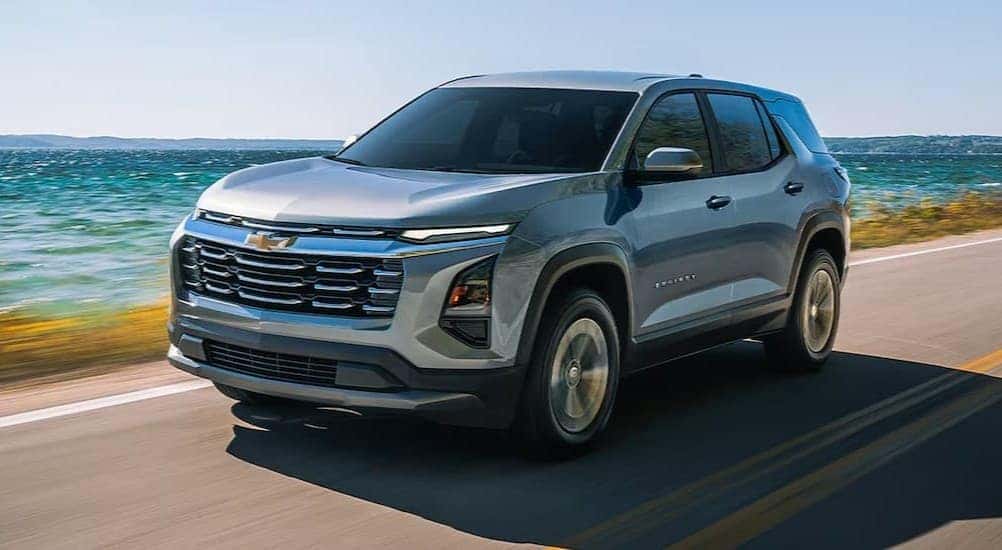
The Chevy Equinox slots firmly into the first category, offering the sort of value that’s often a make-or-break factor in the competitive category. Designed with affordability and efficiency in mind, the Equinox delivers comfort and practicality in equal measure. From commuting and carpools to weekend adventures and long road trips, the Equinox can do it all without taxing your bank account.
The Mazda CX-5 takes a decidedly different tack. While it’s more than capable of providing a few thrills, its bulk and mediocre base trim put a damper on the model’s mass appeal. These differences make it pretty easy to decide between the two compact models. A deep dive into some key details can help clear up any lingering doubts for those who are weighing the 2026 Chevy Equinox vs 2026 Mazda CX-5.
What’s New for 2026?
The Chevy Equinox received a thorough mid-cycle refresh in 2025, which added a massively improved interior, an updated engine, and a bold new exterior inspired by the larger Traverse. The 2026 model returns largely unchanged, though Chevy has expanded the SUV’s Drive Mode Control system to every trim, allowing owners to select specialized settings that’ll see them easily power through snow, ice, and other challenging road conditions.
The Mazda CX-5 sees some major changes for the new model year, but they’re a bit polarizing. Mazda’s crossover has experienced a major growth spurt for 2026, with a longer, wider wheelbase that adds almost five inches. The SUV now represents one of the larger options in its class, which results in a rather different ride than its Chevy rival. Mazda has also made a divisive decision to nix the knob-based control interface for its infotainment system, meaning many of the crossover’s functions are now touchscreen-based almost to a fault.
The Right-Sized SUV
Offering a compelling combination of interior space and maneuverability, the Equinox embodies everything there is to love about the compact crossover segment. The term “compact crossover” has become a bit slippery over the years. While most models tend to fall within a certain size range, there’s no real fixed definition. This creates a significant gulf between competing SUVs, with the 2026 Equinox and CX-5 serving as a prime example.
A longer wheelbase and wider stance lend the 2026 Mazda CX-5 a more midsize feel, which can make the SUV a bit ungainly when navigating tight city streets and dense traffic. The Equinox is the right-sized option for urban commuters, easily slaloming through city streets and offering drivers more options when it comes time to find a parking spot. If crowded parking structures, dense rush-hour traffic, and minuscule parallel parking spots are regular parts of your daily commute, the Equinox represents the perfect fit. The CX-5 is also on the heavier end of the spectrum, which has a noticeable impact on efficiency. Its considerable weight and lack of a turbocharger make it a little less efficient, at 26 MPG combined and 24 MPG in the city, compared to the Equinox’s 27 MPG combined and 26 MPG in the city.
While other compact models feature relatively cramped second-row seats that could leave some lankier riders feeling a bit too cozy, the Equinox can comfortably seat five passengers of all shapes and sizes. Despite having a smaller overall footprint, the Equinox offers just as much rear legroom as Mazda’s model at 39.9 inches. The story is largely the same in the front row, though the Equinox actually holds the advantage in one key area. The crossover offers a full 40 inches of front-row headroom, a figure the Mazda simply can’t match. The CX-5 does hold the edge on a few other measurements, but the gap is almost a rounding error, with the Equinox giving the SUV a run for its money in front and rear shoulder room.
The Mazda CX-5 does make up some ground in cargo capacity, with 66.5 cu.ft. of max storage to the Chevy’s 63.5 cu.ft. However, when it’s time to tow, there’s no way to separate the two SUVs. Both the Equinox and CX-5 can pull up to 1,500 lbs when properly equipped, allowing both compacts to put in a little hard work or accommodate your favorite weekend adventure gear.
A Better Base Trim
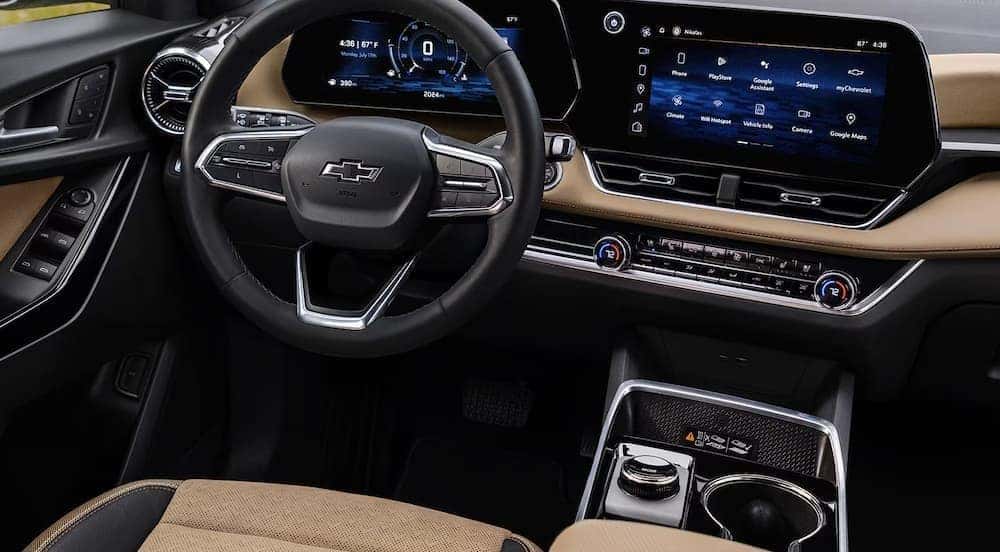
An impressive slate of standard tech sets the Equinox apart from a value perspective. While many automakers, including Mazda, tend to limit some of the best comfort, convenience, and infotainment features to higher trims and optional equipment packages, the Equinox bucks this trend to give every buyer the chance to experience the latest in automotive tech. It all starts on the dashboard, where drivers will discover two different digital displays.
The SUV’s central 11.3-inch touchscreen display serves as a handy control center for the Equinox’s infotainment features and ranks among the larger entry-level offerings in the segment. In fact, many of Chevy’s key rivals don’t even break double digits with their standard displays, with the Honda CR-V, Ford Escape, Nissan Rogue, and Subaru Forester all measuring less than 10 inches.
The Equinox also boasts an 11.0-inch digital gauge cluster, replacing the analog instrument panel with a customizable alternative that lends the crossover plenty of modern appeal. Chevy’s compact crossover also lets drivers tap the full power of their smartphone every time they hit the road, thanks to its wireless Apple CarPlay and Android Auto system. The Mazda CX-5 is saddled with a wired version.
The Chevy’s standard infotainment tech might garner much of the attention, but it’s the SUV’s generous array of standard comfort-enhancing features that make the Equinox such a standout. The crossover’s base LT trim is among the better-equipped offerings you’ll find in 2026, with heated exterior mirrors, heated front seats, and a heated steering wheel. These features can make all the difference on a cold winter morning, but Mazda drivers will have to invest in one of the CX-5’s pricer trims to access the same tech. This small difference goes a long way towards showcasing how each brand has approached the compact segment, with Chevy marketing a more well-rounded base model and Mazda offering a more customizable, add-on-driven strategy.
The Ergonomic Advantage
The Equinox’s expansive slate of standard tech certainly gives it an edge over many of its entry-level rivals. However, it’s the SUV’s intuitive interface that elevates it above the Mazda CX-5. Today’s drivers have come to expect slick infotainment displays and screen-heavy layouts. While they can lend the dashboard a futuristic edge, these touchscreen interfaces aren’t always the right choice for every application.
Many brands have opted for a more touchscreen-based approach for their comfort, convenience, and infotainment features. The Equinox represents a refreshingly old-school alternative with a healthy mix of physical controls, including knobs, buttons, and dedicated climate controls. These not only make for a smoother user experience, but also go a long way toward enhancing the SUV’s ergonomic appeal and safety profile. Even the smallest distraction can be dangerous when you’re cruising down the road at highway speed, but you won’t need to worry about diving through menus or pressing a precise spot on the screen to adjust crucial comfort and convenience settings when you’re behind the wheel of Chevy’s SUV.
The Mazda CX-5’s interface is a classic example of automotive engineers being so preoccupied with whether they could that they didn’t stop to think whether they should. Sure, the crossover’s available 15.6-inch infotainment display looks slick with its tablet-like design, but the screen’s size might actually work against it. By allowing the large display to dominate the dashboard, Mazda hasn’t left much usable real estate. Drivers need to rely on the screen to perform almost any adjustment, including something as simple as cranking up the AC. The most egregious example would have to be the SUV’s heated and ventilated seats, which both lack physical controls.
The Mazda CX-5 also offers steering wheel controls and voice commands, but these workarounds simply address a problem of Mazda’s own creation. If you’re looking for an infotainment system with a steep learning curve, the Mazda might not be a dealbreaker, but Chevy’s more sensible approach is sure to hold some appeal for those seeking a safe, distraction-free ride.
Upgrade to the Equinox at McCluskey Chevrolet
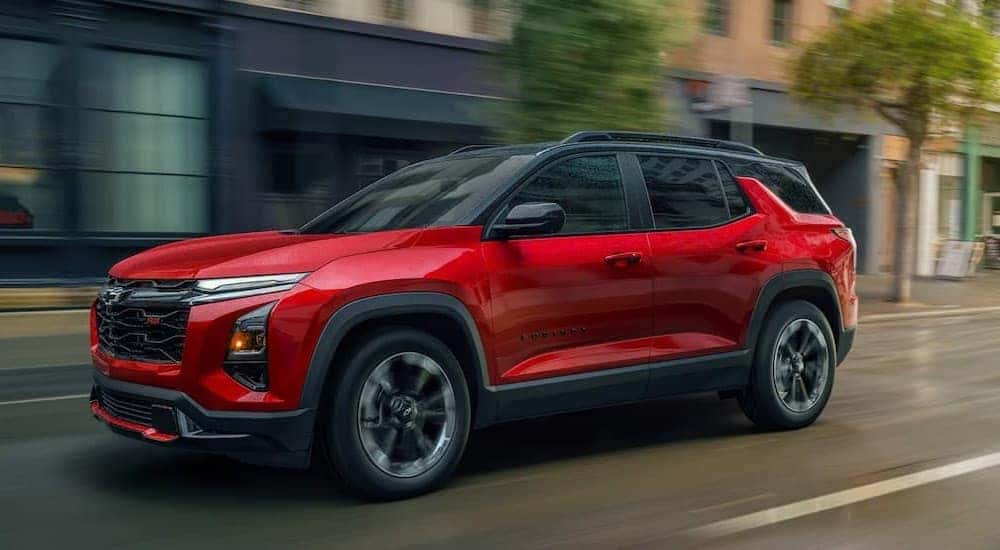
They might occupy the same category, but the Chevy Equinox and Mazda CX-5 ultimately represent two very different takes on the compact crossover formula. Chevy’s bestselling SUV prioritizes value, efficiency, and comfort, providing drivers with a practical ride that still outpaces much of the segment in standard technology. The Equinox also comes standard with one of the industry’s best suites of parental control features, including Chevy’s Teen Driver technology. This system allows parents to keep tabs on their fledgling teen drivers with an in-vehicle report card and other monitoring features. It can also limit top speed, audio volume, and even prevent the SUV from shifting into drive until the seatbelts are securely fastened.
The Mazda CX-5 takes a more premium approach, emphasizing performance, styling, and driver engagement above all else. While this strategy is sure to satisfy some buyers, it also comes at a cost, with the CX-5 carrying a correspondingly high price tag. Add in the Mazda’s overly screen-based interface, thirsty engine, and underwhelming base trim, and it’s tough to make a value argument for the CX-5, especially compared to Chevy’s compact.

0 comment(s) so far on Two Takes on the Compact SUV: 2026 Chevy Equinox vs 2026 Mazda CX-5