



When Wipers Go Rogue: A Guide to Streaks, Squeaks, & Skips

Windshield wipers probably aren’t high on your list of things to think about today. In fact, when they’re working properly, you may barely think about them at all… until it rains.
Suddenly, that little streak you’ve been ignoring is directly in your line of sight. The blade squeaks with every pass, and one section is never clear. A minor annoyance on a sunny afternoon has taken a turn, leading to your search for windshield wiper replacement near Mount Healthy.
We’re here to help you avoid those annoyances by answering some of the most common questions about windshield wipers and how we can help.
#1 – How Can I Tell When My Wipers Are Worn?
Windshield wipers are relatively simple: easy to access and examine without requiring a skilled mechanic and an entire afternoon. In fact, if you know what to look for, your wipers will tell you the full story as they pass across the windshield.
Some of the most common warning signs are:
- Streaking: The blades move water around instead of clearing it.
- Skipping: The blade hops across the windshield rather than moving smoothly.
- Squeaking/Chattering: Your wipers provide a soundtrack you never asked for.
- Missed Areas: Portions of the windshield are untouched even after the blades pass.
- Visible Damage: The rubber is cracked, split, warped, or separated from the blade.
- Reduced Visibility: You can’t see clearly in the rain, even with the wipers at full speed.
Any of these issues can be a good reason to take a closer look at your wipers.
#2 – Why Are My Windshield Wipers Streaking?
Streaking is a classic sign that something isn’t quite right.
Wiper blades must constantly contact the windshield to sweep away water effectively. Streaking occurs when the rubber wears or when dust, dirt, pollen, and other debris build up on the windshield.
Start by cleaning the windshield and wiper blades. If the streaks continue, it’s likely time to replace the blades.
#3 – What Causes Wipers to Squeak or Chatter?
Few automotive sounds are quite as irritating as squeak… squeak… squeak… every time the wipers cross the windshield. It also exacerbates situations where visibility and focus are critical.
This chattering can occur for several reasons, such as a dirty windshield or deteriorating rubber blades. In some cases, the wiper arm may be misaligned or bent, preventing the rubber from gliding smoothly across the glass.
Whatever the culprit, don’t automatically assume that turning up the radio is the best solution. Clean the windshield and inspect the blades. If the chatter continues, our service team can identify the cause behind the commotion.
#4 – How Does the Weather Affect My Wipers?
Windshield wipers are essential in rainy conditions, but the weather’s impact lasts much longer than a thunderstorm. Why?
Wiper blades live a surprisingly tough life. They’re exposed to temperature changes, rain, snow, sunshine, ice, dirt, and whatever else the road and weather decide to throw at them.
Over time, these elements—UV rays, exhaust fumes, airborne debris, and moisture—add wear and tear. While you can’t avoid these conditions in Mount Healthy, knowing who you can trust when it’s time to replace your windshield wiper blades adds peace of mind.

#5 – How Can I Extend the Life of My Wiper Blades?
You can’t make windshield wiper blades last forever, but you can make their working conditions a little easier with routine maintenance and seasonal checkups.
A few simple habits that can help:
- Clean the windshield regularly. Dirt and debris add another layer that your blades have to clean every time it rains.
- Inspect and clean the blades. Run your finger along the blades to assess their condition, carefully wiping away debris and checking for cracks, splits, or uneven areas.
- Manually remove ice. Wipers aren’t designed to double as miniature snowplows or ice scrapers; heavy buildup can easily damage them.
- Don’t run the wipers dry. Use washer fluid when you need to clear grime, as the blades will skip or hop across a dry windshield.
Think of these habits as preventive maintenance. A few moments of attention can help you recognize problems before you’re staring through a streaky windshield on a rainy day in Mount Healthy.
#6 – What Do I Do If My Wipers Stop Working?
First, there’s an important distinction to make in this situation. A worn wiper blade may leave streaks or fail to clear the windshield effectively. A wiper that suddenly stops moving can indicate an issue elsewhere.
If both wipers stop moving or responding to the controls, replacing the rubber blades alone may not solve the problem. The issue is likely deeper, which is where professional service becomes particularly valuable. Our technicians will look beyond the blades to determine what’s keeping them from operating as designed.
But what happens if this occurs during heavy rain or another low-visibility situation?
Don’t try to tough it out. Find a safe place to stop until conditions improve, and then put “schedule wiper blade servicing” at the top of your to-do list.
#7 – What’s the Relationship Between Wipers and Washer Fluid?
They’re a team, and neither one enjoys doing all the work.
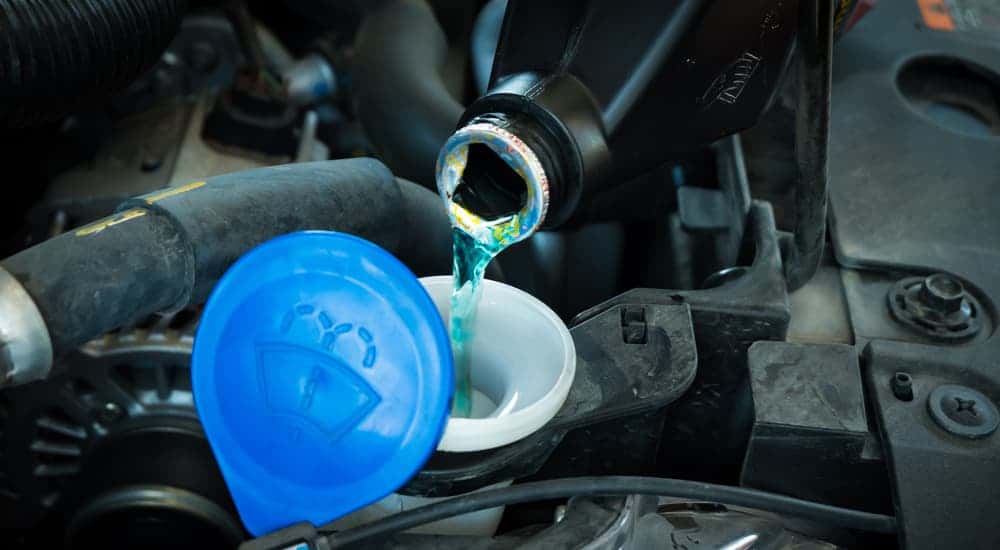
Windshield wiper fluid helps loosen and wash away bugs, dirt, road grime, and other material clinging to the glass. The wipers sweep that mixture away, leaving you with a clearer windshield.
Even with effective washer fluid, if your blades are worn, you can end up with a smeared windshield that looks worse than when you started. When your blades are in good condition, but you’re out of washer fluid, removing stubborn grime is much harder.
Fortunately, wiper blade care is straightforward, and most modern vehicles will alert you when the windshield wiper fluid is low.
#8 – How Do I Know the Type of Wiper Blades My Vehicle Needs?
Here’s where windshield wiper replacement can get slightly more complicated.
Wiper blades aren’t one-size-fits-all. Vehicles require different blade lengths, attachment styles, and designs. Even the driver-side and passenger-side blades on the same vehicle may differ in size.
To add to the confusion, there are also several types of wiper blades:
- Conventional blades use a frame structure, with visible components or arms that distribute pressure across the rubber blade.
- Beam-style blades are more streamlined, with an internal spring that flexes to the curve of the windshield.
- Hybrid blades incorporate characteristics of both, with a frame-like structure protected by an aerodynamic housing or shell.
The right choice depends on your vehicle and its specifications, which you’ll find in the owner’s manual. You can also trust our professionals to identify the right type, fit, and installation method for your vehicle.
#9 – Why Should I Have My Wipers Replaced at a Dealership?
Windshield wiper replacement may be a relatively small maintenance task, but convenience still matters.
When you bring your vehicle to McCluskey Chevrolet, our team can determine which blades fit your vehicle and install them properly. That removes the guesswork of standing in front of a wall of nearly identical wiper blades, wondering why there are so many choices for something that looks so simple.
Want even more convenience? By trusting our team with routine services—like oil changes, tire rotations, and multi-point inspections—you’ll stay on top of wiper blade maintenance, as we inspect the blades and top off the windshield wiper fluid at each service visit!
#10 – Are You Ready to Put Your Rogue Wipers Back in Line?
Streaks, squeaks, skips, and smears might seem like minor annoyances, but they’re your wipers’ way of telling you they need attention—but you don’t have to wait for the next downpour to take action!
Instead, let our service team inspect your blades, find the right replacement, and install them properly. It’s one more thing you can check off your to-do list, quieting the annoying soundtrack of worn blades and keeping yourself safe behind the wheel.

0 comment(s) so far on When Wipers Go Rogue: A Guide to Streaks, Squeaks, & Skips