



4 Frequently Asked Questions About Tire Rotation
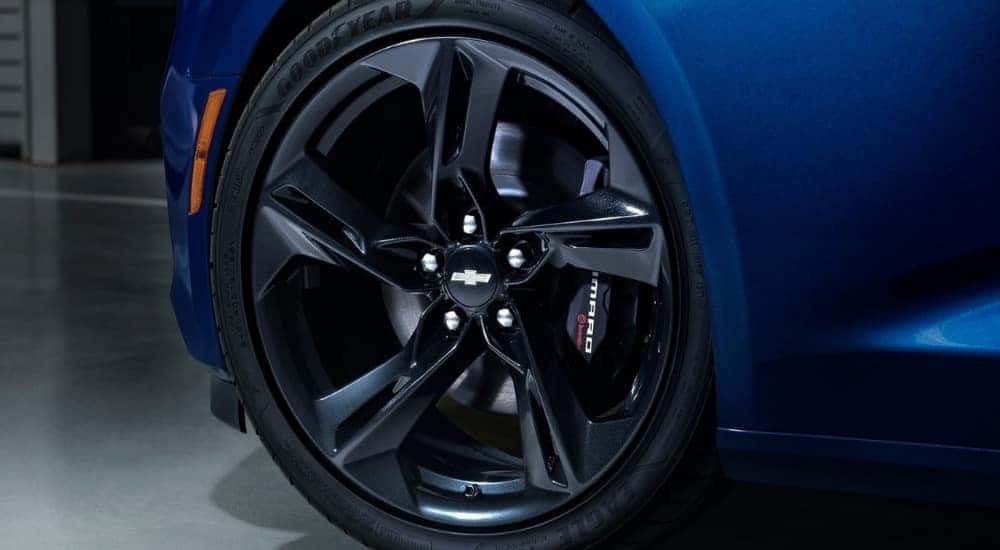
Your tires are among the most critical components on your vehicle, and are largely responsible for its safety and performance. Whether you drive a compact sedan, a crossover SUV, or a full-size truck, your tires are the primary point of contact with the driving surface. Their condition is important for ensuring proper traction, which enables your vehicle to operate safely and effectively.
While it’s easy to forget about routine tire maintenance, it’s one of the most important steps you can take to avoid excessive tread wear that compromises performance and leads to costly repairs and tire replacement. Part of regular tire maintenance includes tire rotation service, which involves periodically moving your vehicle’s tires in a predetermined pattern to balance uneven wear caused by mechanical imperfections, varying driving surfaces, or unbalanced loads. Why is tire rotation important, and what happens when tires aren’t regularly rotated? You’ll find the answers to these and other tire service questions below.
What is Tire Rotation?
Tire rotation is a straightforward process that involves moving a tire on your vehicle to another position on a regular schedule. It’s as simple as moving one tire to the next position in a regular pattern to keep wear even across all four wheels.
Tire rotation is a great way to ensure your tires wear evenly across all four corners of your vehicle. Front and rear tires wear at different rates because they experience different loads from steering, braking, and acceleration. While the wheels that bear the greatest burden may differ due to powertrain and other equipment variations, all vehicles can benefit from routine tire rotation.
Why Should You Rotate Your Tires?
Rotating your vehicle’s tires is one of the most important preventive maintenance tasks you can undertake. It’s a simple and effective way to ensure you get the maximum service life and the best bang for the buck from your tires throughout their lifespan. Tire rotation maximizes tread wear, preventing premature replacement. Overly worn tires simply aren’t safe and compromise performance and efficiency. Rotating tires prevents uneven wear, so you won’t have to replace them as frequently, saving you time and money.
Due to driving dynamics, improper alignment, uneven weight distribution, and variations in driving conditions, the front tires may wear faster than the rear tires. To ensure the front tires don’t need to be replaced before the rear, rotate them from time to time to balance wear over the full lifespan of your vehicle’s tires.
If you have an AWD or 4WD vehicle, rotating the tires will also help protect your drivetrain. It’s important that such vehicles use tires with matching tread depths, as significant differences can cause severe powertrain damage. Regular tire rotation is also required by most tire warranty programs. To preserve tire tread life and meet your warranty requirements, it’s a good idea to rotate tires at the recommended intervals.
Because tire rotation slows tread wear, it enhances traction, improves performance, and increases efficiency. Tires with uneven wear don’t provide steady, solid traction, which can lead to loss of grip and slippage on the driving surface, especially when roads are wet or slippery. Rotating your tires ensures you maintain firm contact with the driving surface, which preserves performance, fuel efficiency, and safety.
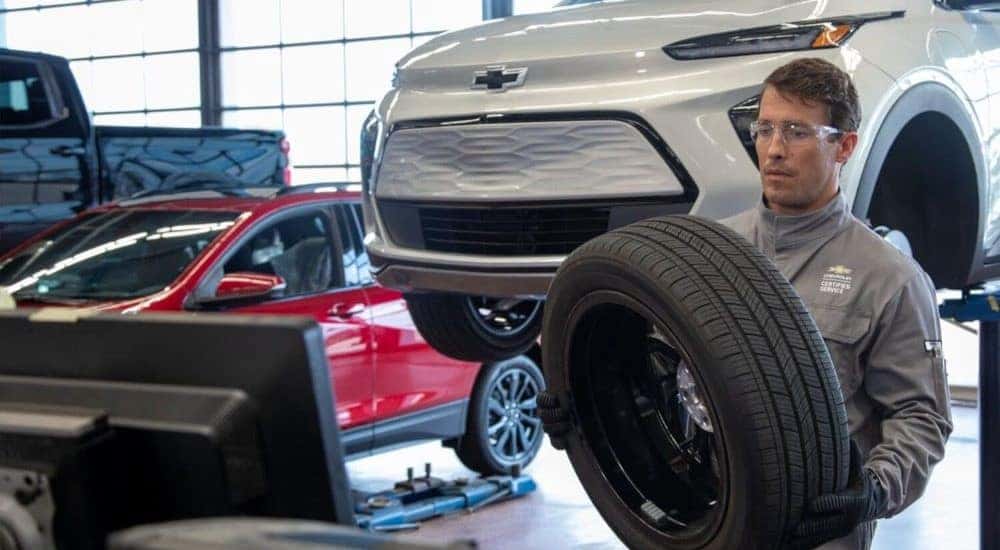
What Happens When You Don’t Rotate Your Tires?
When you don’t rotate your tires regularly, it begins a cascade of consequences that can be both dangerous and costly. Over time, driving dynamics and vehicle characteristics can lead to uneven tire wear, compromising safety and performance across your entire vehicle. Failure to rotate tires at the recommended intervals can cause severe damage to critical systems, reduce fuel efficiency, and create unnecessary safety risks that could impact you, your passengers, and other drivers.
Tires with uneven wear can’t perform effectively and are prone to slippage. That means your fuel efficiency will diminish over time, costing you more at the gas pump. Performance of your vehicle will also suffer, as slippage during acceleration or braking leads to poor handling, sluggish performance, and compromised braking capability. That puts you and everyone else sharing the road with you in danger, as uneven tire wear can threaten your vehicle’s control and ultimately lead to traffic accidents.
Refusal to rotate tires can also cause costly damage to your vehicle. Poor traction resulting from uneven tread wear can result in a greater chance of collisions that require extensive repairs. Uneven tire wear also damages drivetrain systems in AWD and 4WD vehicles. That’s because in AWD and 4WD vehicles, the drivetrain must distribute power evenly to all four wheels. Uneven tread wear results in a slightly smaller tire, which means it must spin faster to keep up with the less-worn tires. The constant variability puts unnecessary wear on drivetrain components, accelerating their failure and resulting in thousands of dollars in repair costs.
How Often Should Tires Be Rotated?
Tire rotation intervals differ from one vehicle to the next, and it’s important to consult your tire warranty, your vehicle manufacturer’s recommendations, or a tire professional to determine how frequently you should rotate your tires. However, there are widely accepted rules of thumb that you can use to determine how often you should rotate your tires.
For front-wheel drive vehicles, you should rotate your tires every 5,000 to 8,000 miles to ensure even tire wear. The front wheels handle all the important tasks of acceleration, braking, and steering, while the rear wheels help with braking and hold the back of the car off the ground. Front tires can wear much more quickly than the rear, so regular rotation is required to spread wear evenly. Rear-wheel-drive vehicles have the most balanced configuration, with the rear wheels handling acceleration while the front wheels handle steering and braking. However, it is still best to rotate tires every 5,000 to 8,000 miles to maintain this balance.
For all-wheel drive and four-wheel drive vehicles, more frequent rotation is recommended at intervals of 3,000 to 5,000 miles. If you own an EV, rotate your tires every 5,000 miles. The instant torque of electric motors can lead to rapid acceleration, and EVs tend to be heavier than other vehicles, both of which increase tire wear.
While the consequences of skipping tire rotation include reduced vehicle performance and efficiency, increased safety risks, and potential damage to your vehicle’s major components, it can also result in your tire warranty being voided. Tire manufacturers recommend tire rotation intervals for a reason. They know that many unavoidable factors can cause uneven tread wear in the average driving environment, and that this leads to premature tire failure and costly replacement. Routine tire rotation guards against those dynamics. Therefore, tires must be rotated regularly to preserve their integrity and the warranty that covers them.
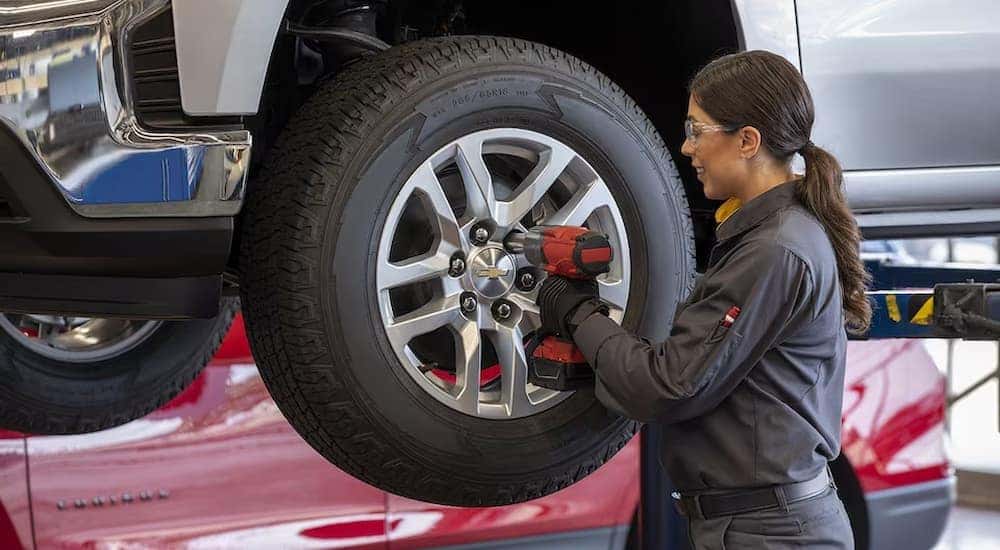
Tire Rotation Is a Critical Maintenance Step
While it’s sometimes easy to forget about your tires during routine vehicle maintenance, doing so comes with significant consequences. Uneven tread wear can compromise safety, erode performance, reduce fuel efficiency, damage key vehicle components, and void your tire warranty. That’s why it’s so important to regularly rotate your tires, whether you schedule rotation during other maintenance appointments or follow the recommended rotation schedule for your specific vehicle.
By following an intentional, well-coordinated tire rotation schedule, you’ll save yourself the cost and headache of repairs and increase safety for yourself, your passengers, and other drivers on the road. Tire rotation is a quick and inexpensive maintenance task, and the benefits of routine rotation are significant.

0 comment(s) so far on 4 Frequently Asked Questions About Tire Rotation