



5 Tips for Improving Your Credit Score
If you’re among the 64 million Americans with a credit history, you may be concerned about your credit score. After all, sometimes things happen, and debt adds up. When it comes time to find a new car, you may be worried about whether or not you have the credit it takes to buy the car you want at the dealership. Fortunately, there are steps you can take to get a handle on your credit situation so you’re able to raise your score and be able to buy the car you need for your travels. Let’s take a look at some of the top tips for improving credit scores.
#1. Make Regular, On-Time Payments
Any time you take out a line of credit, you’re being lent an amount of money, which you will be responsible for paying back at a time that’s agreed upon between you and the lender. Whether your payment due date falls at the beginning of the month, the end, or somewhere in between, you are responsible for ensuring that this payment is made to the lender by the date they have provided to you. Failure to do this results in late fees, delinquent accounts, and ultimately, a ding on your credit report. You can avoid all of this by taking control of your bills and making sure everything you owe is paid on time each month.
It can be easy to forget to pay a bill, especially in today’s busy, hectic world. That’s why we suggest putting a reminder in your phone’s calendar or in a planner so that you never miss a payment or set up autopay when you can. When you go shopping for a car and apply for financing, one of the first things lenders will want to know is whether or not you’re able to make regular, on-time payments. They will pull your credit report and check up on your habits, and if they notice frequent late payments, you may not get the interest rate you want.
#2. Lower Revolving Credit Utilization
Even if you do make your payments on time every month, you may also fall victim to revolving credit utilization. This means that the payment you make doesn’t pay the debt off completely, and it rolls into the next month, accruing even more interest (think credit card payments). This can hurt your chances of getting the best interest rate when shopping for a vehicle, so trying to pay down your debt is highly advised. It’s recommended to strive for 30% credit utilization or less to ensure that your score isn’t being impacted in a negative way.
We suggest starting small, taking one account at a time, and paying it down as best as you can. It can be overwhelming, especially if you have multiple accounts open with multiple debts. By taking it one by one, you’ll be able to slowly chip away at your debt and improve your credit score in the process. This is essential when trying to buy a vehicle as this information will also show up on the credit report pulled by the finance department. You want to have the best chance of obtaining an interest rate that’s as low as possible, so doing a little legwork before you buy will help exponentially.
#3. Check Your Credit Score Regularly
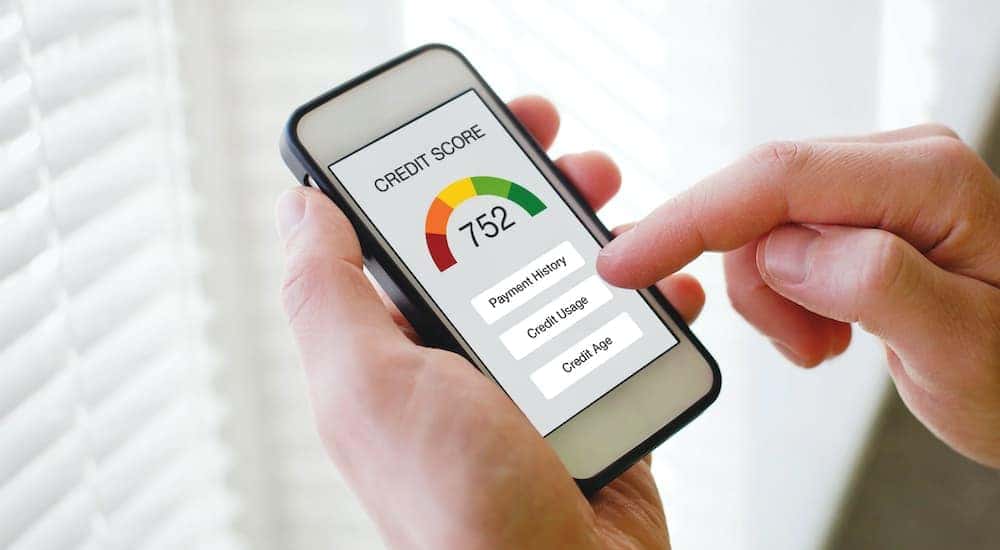
With all of the tools available to check your credit score, there should be no excuse as to why you don’t know your score. From credit cards that provide this helpful information to credit monitoring programs like CreditKarma, finding out your score and staying up to date on it is simple. You want to be aware of what’s going on with your credit since it has the potential to impact many aspects of your lifestyle. From buying a house to financing a car, your credit will prove to be a valuable asset to you.
Check it often and always take the time to ensure all of the information provided on the report is accurate. Take care of any delinquent accounts, revolving utilization, and high debt-to-income ratios to set yourself up for success when your credit matters. Having an idea of what your credit score is will help with the vehicle shopping process. This way, you’ll know what you’re able to afford and what type of interest rate you qualify for ahead of time, instead of being surprised when you’re sitting at the dealership.
#4. Don’t Open Too Many Accounts
It can be tempting to open up one new account after another, especially with all of those offers you get in the mail with big, bright “You Qualify” lettering and pages worth of promises. This is a good way to get into trouble, though, as many people say they’re not going to use the new card (or pay it off each month) but fail to do so. Unexpected events can happen, which will warrant the use of this new card, and suddenly, you’re in more debt than ever.
It’s a good idea to apply for lines of credit that work for you. For instance, those who frequently fly may want to open up a credit card that offers a mileage program on a particular airline, or those who dine out may choose a card that gives them points at restaurants. If you don’t travel often, frequent flier miles may not be an incentive for you, so choose a card that meets your lifestyle needs. You’ll also want to keep in mind that the more accounts you open, the more hits your credit has the potential to take. Hard inquiries can knock points off of your score, so limiting the amount of times you do this is recommended, especially if you’re trying to build credit.
#5. Build Credit Over Time
Another aspect of your credit report is your credit history—how long you’ve held credit. The longer this history, the better your chances are of getting a solid interest rate on a vehicle. This is why you don’t want to open up account after account right away. You want to build this up over the years to establish a history of credit utilization. In fact, many finance professionals recommend leaving accounts open, even those you no longer use, to maintain the integrity of your credit history. In doing this over time, you’ll be able to qualify for better credit cards, enjoy better interest rates, and mature your credit naturally.

Improving Your Credit Score
When shopping for virtually any big purchase these days, you can expect your credit to play a large role in the outcome. If you’re satisfied with your credit, you’ll want to continue to keep up with good practices; however, if you’re among the many who are concerned about their credit, taking the steps mentioned above will help. After all, you don’t want to be limited when it comes to your vehicle, especially since it’s such a big part of your travels. That’s why a little preparation now will help you so much in the future.
At McCluskey Chevrolet, we’re proud to work with customers with a variety of different credit situations. We understand how important it is to drive a car you can trust, which is why we don’t let credit get in the way of finding you a quality vehicle. Whether you’ve got stellar credit or you’re actively working on improving your credit score, McCluskey Chevrolet is ready to be of assistance. Peruse our inventory online or stop by and meet our team so that we can get you started on improving your credit by matching you with a vehicle you can afford.

0 comment(s) so far on 5 Tips for Improving Your Credit Score