



Auto Body Repairs You Can Do Yourself, But Shouldn’t
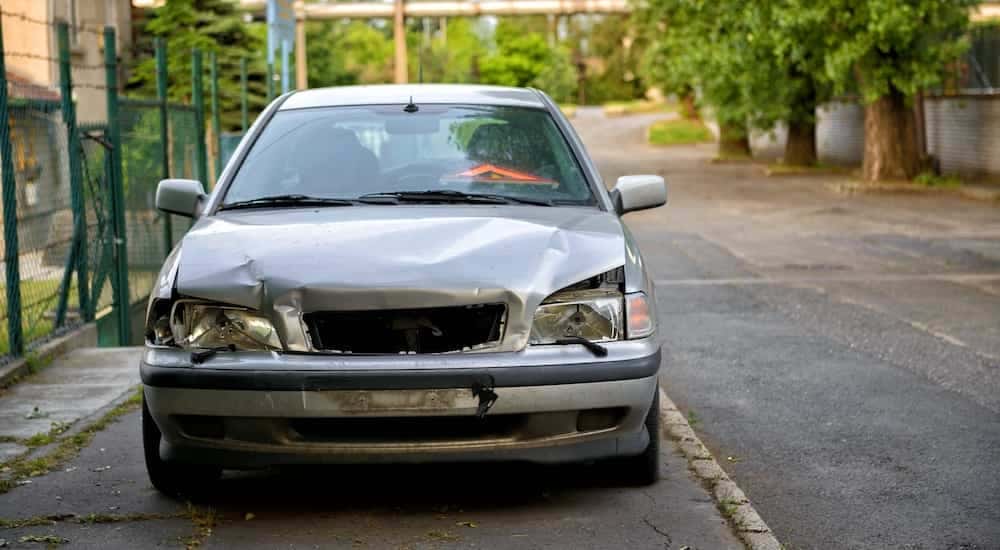
Some bodywork and auto body repairs are simple and easy. This includes things like replacing headlights and tail lights on most cars and some panel replacements and bumper replacements on older vehicles. But there is a reason why body shops exist, and as cars and trucks increase in complexity, there are more bodywork operations that seem simple but will only lead to frustration or worse if attempted. These are auto body repairs you can technically do yourself but really shouldn’t.
Body shops have equipment and procedures that make dealing with any vehicle much easier than even someone experienced working solo, but what really sets a professional operation apart from someone trying to fix their own vehicle tends to be experience and training. Certified body techs generally have a significant amount of schooling, and at the very least, have put a huge amount of time into their chosen field. That time and experience allow them to avoid beginner mistakes and operate at a level a first-timer could only dream of.
Even individuals with several small repairs under their belts don’t have the same understanding of the bodywork craft as even a brand new professional. This is far less about the certifications that the professionals have earned and more about the mistakes they learned to avoid. Even for those who are just trying to get something done quickly and cheaply on their own, there are several areas that are best left to those with more experience.
Slippery Slope
The main category that body repairs non-professionals often attempt and get caught flat-footed on could be called Slippery Slope operations. These are generally either true do-it-yourself jobs or extensions of them. While they should be simple, however, life very rarely goes as easily as it does in a youtube tutorial video. Little things that are impossible to plan for will commonly pop up and sabotage these seemingly easy procedures. In some cases, unforeseen problems can be so bad that instead of making a damaged area better, the attempted repair can make it worse.
Dent Removal
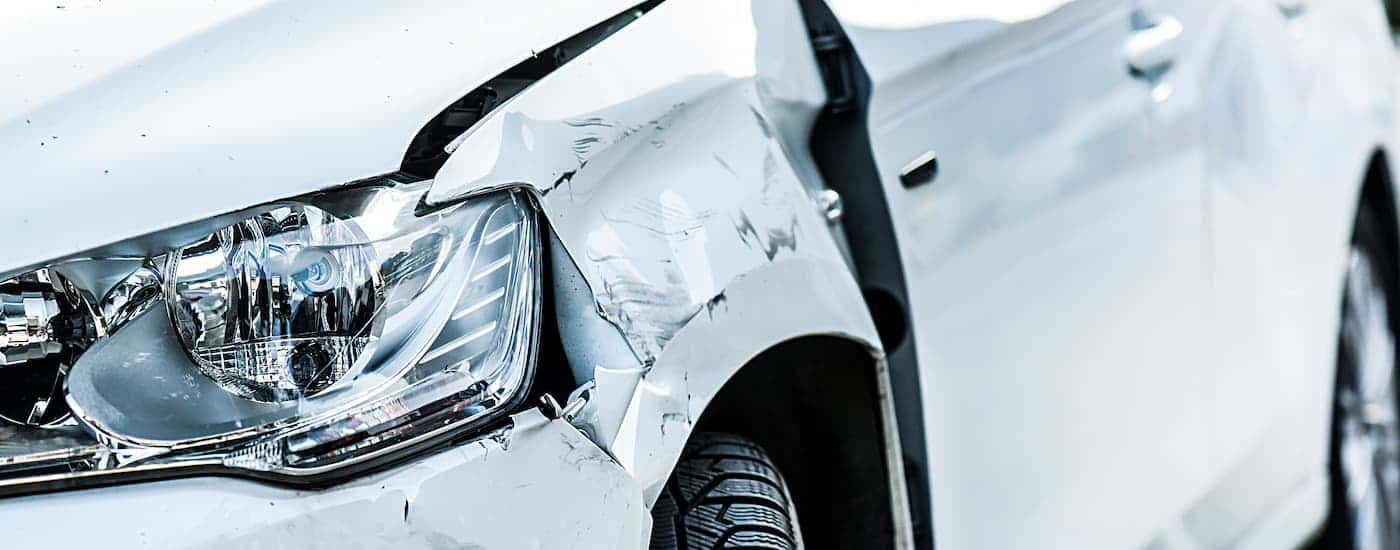
Getting rid of a pesky dent, especially without painting, is an endeavor that can vary widely in the required skill level. Even if the dent is on a panel one can access from behind, it is not going to get any easier. These seemingly simple areas of repair still require a steady hand and a patient mind, and it is easy to add to the damage if one overdoes it. Dents on panels where accessing the other side is challenging or impossible only add to the difficulty level. It doesn’t help that there are many cheap products available that claim to be able to make this process easy, but which are often less than effective. Dent removal, especially paintless dent removal, is something that can be done solo, but if possible, is best done by a professional.
Body Filler
Body filler, often referred to as bondo, is a material used to make damaged areas of automotive bodywork smooth again. Application and smoothing of body filler is truly an artform and can’t be rushed. There is many a bondo job gone wrong, and horror stories of body filler failing or falling off are common among those who buy second-hand modified cars. Anyone can attempt to apply body filler, and some even do a decent job on the first try. But there are far more instances of inexperienced people either making far more work for themselves by using too much or by applying it incorrectly, only for it to buckle or even fall off the car later.
Repaint
To those unfamiliar with auto body repairs and detailing, painting a car sounds pretty straightforward. However, as those familiar with cars know, painting a car is a multi-step process that can take days. For a good paint job using modern multi-stage paint, the surface of a car’s body needs to be stripped down and cleared of imperfections, and only then can primer be applied. Only then comes the base coat and the actual paint one sees when the vehicle is complete.
After the color is laid down, multiple layers of clear coat paint are applied to protect the paint and add shine. Any and every step in the process is a point where something could be messed up, with earlier parts of the process having a larger impact on the finished product’s overall appearance. It is possible to do a quick and dirty rattle can job in your driveway, but don’t expect it to look anything like a professionally painted car.
Door Mounting
One of the most surprisingly challenging parts of repairing a car is mounting the doors. Large and often heavy, these panels must be fitted precisely not just to maintain a seal against rain and debris but to look presentable. Every time a door is installed, it needs to be aligned so that it can open and close as designed, and the process can take several attempts for those who have not done it before. While it is possible to do this on your own, especially if you have some buddies to help, it is best to go to a professional and save yourself the frustration.
Vinyl Application
While not technically a repair, applying vinyl to a vehicle is a process that seems far simpler and easier than it actually is. Whether one is simply applying vinyl graphics, wrapping a single part, or doing a whole-car wrap, every inch of vinyl must be painstakingly applied. This delicate procedure includes weeding out bubbles and warding off creases and tears. Technically, anyone can apply vinyl. But it is a process that requires more focus, forethought, patience, and technical ability than most have.
Big Jobs
Most non-professionals who do some bodywork on their cars themselves have a certain humility and grasp on what they can do with their limited tools and experience. But some, unfortunately, do not have this common sense. There are some body repairs, especially those that relate to the basic integrity of the vehicle, that should absolutely not be attempted by amateurs in any situation.
Operations like unibody repair and frame straightening only need to be performed on vehicles that have had their innermost structures compromised, and in most cases, would be completely totaled. There are individuals who believe they can fix these problems with a pickup truck and a chain, but invariably the results tend to be dangerous in the best of cases. Common sense is not always common, but it should be listened to.
Know Your Limits
Professional body technicians have put in the time and effort to attain professional-level skills and have access to specialized equipment and procedures that most people can only dream of. These professionals tend to know what they are doing, and many shops will charge a fair price for their expertise. If the objective is to get your car or truck back on the road in a like-new condition, if at all possible, leave the bodywork to the professionals. Experience is often only gained through frustration, and unless you want to make a career of it, it’s best to leave that frustration aside.

6 comment(s) so far on Auto Body Repairs You Can Do Yourself, But Shouldn’t
I like your tip about making sure that you find a professional because they will make the underlayers stronger than before. I recently hit a tree and lost my left door. I’ll have to make sure that I get the car to an auto shop in the future.
Thanks for pointing out that we can make mistakes easily when filling in chips and cracks which can affect the integrity of the glass. With that in mind, I will definitely get my car’s windshield fixed by a professional. It just got its cracks due to chips that we have neglected and continued using the car in long rides.
Thanks for pointing out that you can make dent repairs yourself but you shouldn’t. My husband was recently in a car accident and he has a pretty good dent on his bumper. I think it would be smart of him to take his car into a collision repair shop that can help him so that he can know it will get fixed correctly.
It’s good that you mentioned how some dents might cause structural damage that you are not aware of. My wife’s car has a dent in it, and we need to find someone who can repair it. We will look for a paintless dent repair company that can assist us.
It’s good to know that filling gouges and scratches requires filling the area with a special material, so you should have a professional do it. My brother ran into a mailbox the other day and it left a big scratch on the hood of his car. I’ll pass this information along to him so that he can look into his options for having a professional help him fix his car.
It made sense when you explained that trying to repair scratches or gouges on our own will likely result in an uneven surface area when we’re finished. I scratched my car pretty badly on a shopping cart return when I was pulling out of my parking spot. Reading your article helped me see why finding a professional collision repair service would be worth the cost!