



Determining Used Car Values
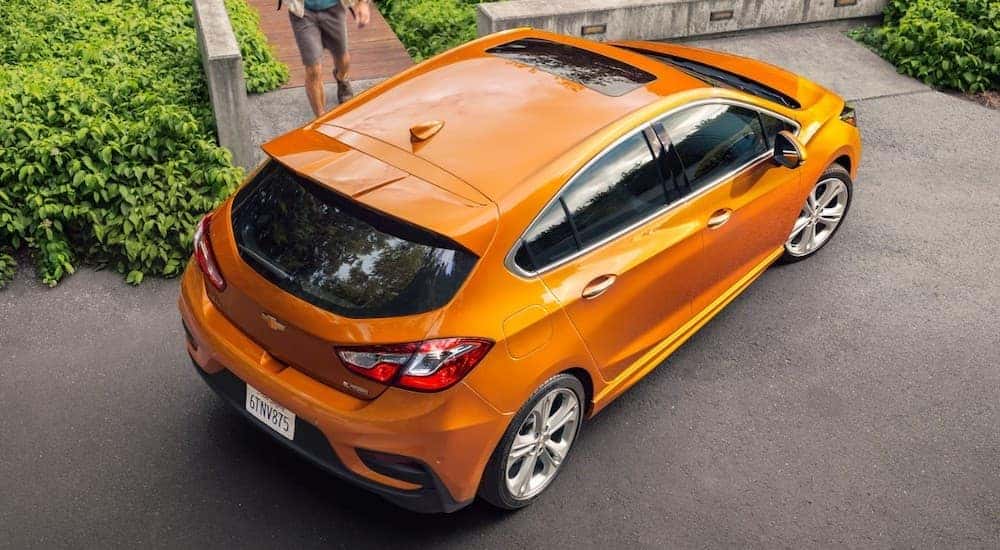
If you’re looking to purchase a used car, don’t assume that it will be a stressful experience. It doesn’t have to be. Your used car shopping experience should be stress-free and exciting as you search for the car that meets your specific driving needs. There are several factors that determine used car values including the make, model, year, condition, mileage, trim level, and depreciation rate. Of course, you don’t want to make a mistake and purchase a lemon. There are so many tools and resources available to help guide you as you determine used car values, whether it’s a fair price and ultimately purchasing your vehicle. You can take the guesswork out of the process by using the following tips in determining used car values and why McCluskey Chevy can deliver a great shopping experience.
1. Control Your Experience
Determining used car values starts with you being in control of the situation. You need to do your homework. Know your budget. You don’t want to fall in love with a car and then get buyer’s remorse because you ended up paying much more than you can afford. Be sure to check the dealership website prior to visiting the lot to see if they offer special financing options for people with less than perfect credit if that’s what you need. Remember, that you can always walk away from a deal or keep looking at more vehicles.
You control the experience and need to take your time to make sure you find the right one. Check your credit score online with free services like CreditKarma or FreeCreditReport to get an idea of your rating before you go to the dealership. With a low credit score, you’ll get a higher interest rate, which will affect how high your monthly payment is. Factor this score into your allotted budget so you know how high you can go with the listed vehicle price.
Have a checklist of what you are looking for in your used car. Be your own advocate for what you’re looking for. You may have a specific make or model in mind already, maybe you have no idea yet. That’s why it helps when you make a checklist before you get to the dealership, so you aren’t distracted by all the choices. This checklist can include things like what type of exterior, sound system, infotainment system, heated seats, and anything else you’re looking for.
Do your research and follow the tips discussed here so you can create a stress-free used-car shopping experience for yourself. Trust your instincts when you are deciding which used car to purchase. Use common sense and pay attention to everything you’ve researched.
2. Determine Value
Various resources are available to you online to help you in determining used car values. Tools like Instant Market Value tracker from Car Gurus can analyze specific criteria that you provide to give you an estimate of the current market value you should pay for the vehicle. Using a tool like this can help you avoid overpaying for the car.
Another online resource to use when buying a used car is Kelley Blue Book (KBB). This tool can give you intimate of used car values. To use this resource for an estimate, you need to input the vehicle year, make, model, and current mileage. Simply input these factors into the search box and you’ll get an estimate for this vehicle in excellent condition and also the estimate for one in fair condition. With this resource, it provides the lowest price that dealerships may be selling this vehicle at and you can ensure that a vehicle is not priced outside of a fair market value.
3. Vehicle History Report
You can get even more information about the history of the used car you are interested in buying by looking at its history. When you have the vehicle history report, you can find out any mechanical issues that were reported, recalls, number of owners and sometimes even how frequently routine service was provided. Check the National Motor Vehicle Title Information System to get a vehicle history report. You can find used car buying tips on the NMVTIS website and a tool which explains how to read the vehicle history report. You can also use such as Carfax and AutoCheck to get vehicle history reports as well. However, they are for profit sites. NMVTIS is managed by the American Association of Motor Vehicle Administrators (AAMVA) as a non-profit.
To get a vehicle history report, you will need the 17-digit VIN. This is generally listed in most sales listings for used cars. If it’s not listed, you can find it on the vehicle windshield. You may not find out all the information about the used car that you want since mechanical issues may have been completed by the owner and not reported.
4. Inspect the Vehicle
By now, you may be overwhelmed or too excited about shopping for this used car. Stay alert and personally inspect the vehicle that you are purchasing from an independent seller or a dealership. You may want to bring a friend with you who has some mechanical experience to give you a second opinion about the vehicle. Pay attention to how the vehicle looks both inside and outside. Look for any signs that there may have been flood damage or if the vehicle has rust spots which may lead to issues in the future. Pay attention to any strange odors, which includes too much air freshener—which could be used to try to mask a foul smell. Check to make sure that all the lights work fine. If there are power windows, check that they are in working order. Try the windshield wipers. Try the horn. Listen to the engine. If anything seems off don’t be afraid to ask the seller. Feel free to give a thorough inspection because it will only help you in the long run.
5. Take a Test Drive

Take the car for a test drive after your personal inspection. Pay attention to how well it handles on both the highway and city driving. It’s important to drive in both types of environments and on the highway so you can at least accelerate to 60 mph and see how it reacts. Ask yourself how comfortable you feel driving this car. Don’t rush through this process. Make sure you are not nervous or excited about the process, but are taking an objective look at everything. Check the steering wheel alignment and pay attention to how well the brakes work. Don’t forget to check the radio. Nationwide provides a downloadable PDF checklist of what to look for when inspecting a car you want to buy.
Remember that you need to purchase a vehicle that is reliable, so don’t be afraid to ask questions of the salesperson that is with you when you take a test drive. Keep your eyes open and take your time. Make sure you or your mechanic friend takes a look under the hood to take a cursory look at how things look.
We Simplify the Process
At McCluskey Chevy, we want to simplify the process so your used car shopping experience is fun and stress-free. We offer a customer centric-experience where our professional sales team and service professionals work to make sure you are satisfied. The dealership is conveniently open seven days a week, starting at 9 am on Monday through Saturday.
Our dealership is well stocked with high-quality used vehicles with over 500 options on our lot. We are confident that we can help you find the right used car that is perfect for you. Our service department is available starting at 7:30 am during the week and have flexible hours by staying open to 3 am on Monday through Thursday. Our service department is available to help with any service issues and to help you stay current with consistent maintenance such as oil changes and tire rotations.
When researching used car values come to McCluskey Chevy where you’re sure to fall in love with one of our new or used vehicles.

0 comment(s) so far on Determining Used Car Values