



Motor Oil Change: Why We Do It, And How Often
When it comes to basic auto maintenance, few routine tasks can seem as tedious and repetitive as the oil change. Whether it’s because of that pesky little light that seems to blip on at the most inconvenient times or simply because you don’t know how often you should change it and are sick of spending money, remembering to change your motor oil can often seem a lot like a chore without a whole lot of immediately gratifying results.
The truth, however, is that something as simple as maintaining a regular oil change schedule can add years to your vehicle’s lifespan and can save you from years and thousands of dollars of costly repairs as a result of old, sludgy motor oil.
If you’ve been holding on to oil change coupons, Cincinnati, and aren’t sure when you should use them, here’s a quick rundown on basic motor oil maintenance, including when it should be changed and how to do it yourself
When Should I Change My Oil?
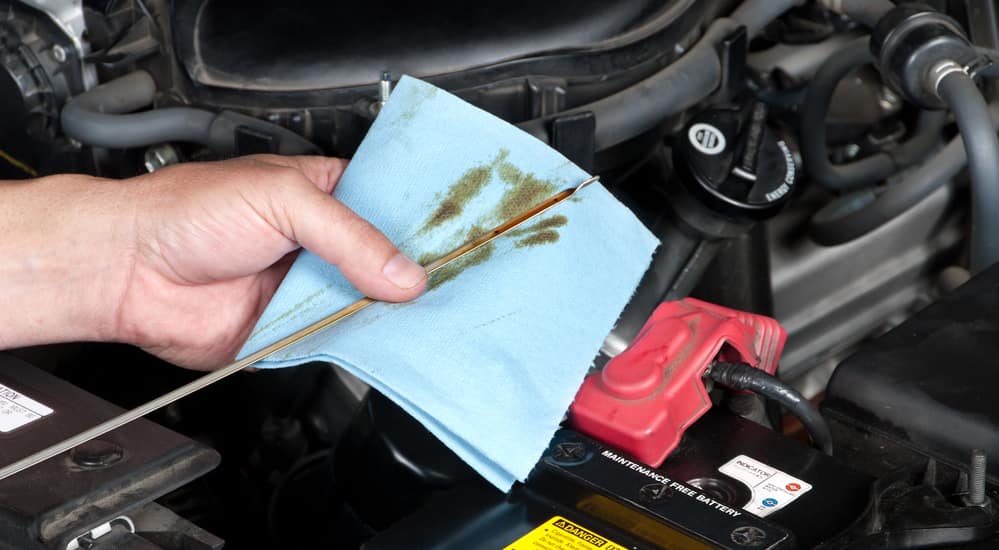
If you ask your mechanic how often you should change your oil, he or she might tell you that if you go farther than 3,000 miles without an oil change you’ll be damaging your engine. This was true in the past, but with the advances in both motor oil and engine technology that have come in the past thirty years, this is no longer a hard and fast deadline.
While the 3,000-mile mark is a good time to start closely monitoring your motor oil, most can reach around 5,000 miles before needing to be changed. Again, this all depends on what kind of conditions you drive in and even what kind of driving you do, since stop-and-go city driving tends to pollute oil more quickly than steady cruising on the highway. In other words, the best person to tell whether you need new oil or not is you, with careful monitoring.
If you notice your motor oil has a burnt or dark color to it or seems to have a nasty smell when you check the level using the dipstick, it might be a sign that your oil has become polluted with debris. This is a good sign that you should change your oil, as leaving this dirty oil in your engine could lead to some serious damage down the road.
Which Oil Should I Choose?
Stand in the oil section of your local auto body supply store or look down the list of options available at your mechanic and you might be a little overwhelmed by the amount of options for motor oil. Don’t worry – you’re not the only one.
With so many brands and different blends available out there, it can be tough to know which type of oil you should purchase. Typically, your engine will require an oil with a specific viscosity, which can affect how well the oil works as a lubricant in especially hot or cold temperatures. This should be listed in your owners manual and isn’t too hard to figure out.
When choosing a brand of motor oil to go with, however, things become a little less clear. The general line of thinking is that staying with the same brand of oil each time you get an oil change is the best way to maintain consistent health and engine performance. This makes sense, but many drivers are also choosing to switch over to synthetic oils, whether in a blend with conventional oil or fully-synthetic. These are generally designed for high-performance vehicles and, while a little more costly, promise to offer better performance and longevity at even more extreme temperatures.
If you still can’t make heads or tails of which motor oil to choose, it’s best to ask a mechanic – he or she can consult a reference guide and point you in the right direction.
Can I Change My Oil Myself?
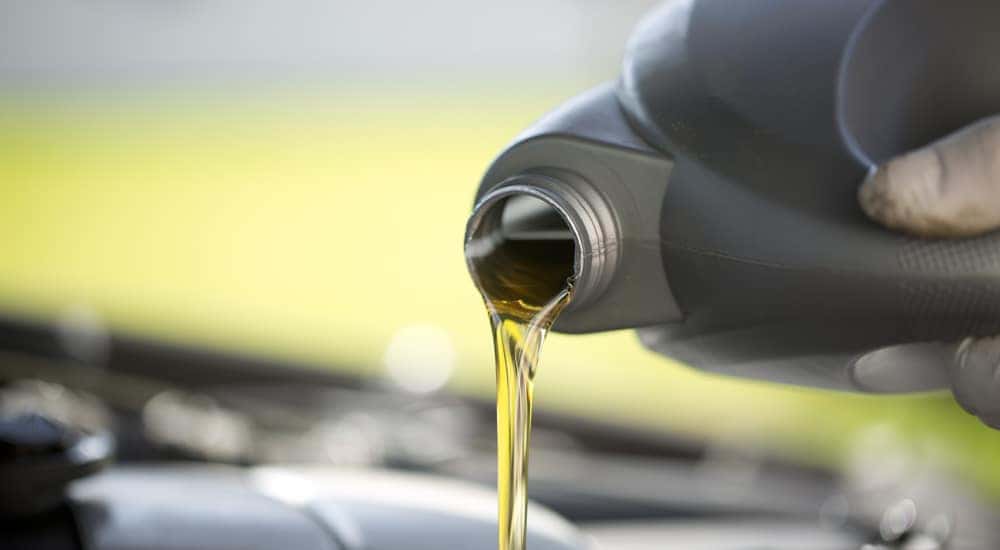
Yes – provided you have all the right tools and know what you’re doing, changing your own motor oil can be a quick and simple process. While first-time oil-changers might be a little intimidated by the thought of draining your vehicle’s lifeblood without professional supervision, the whole job actually only takes a few minutes and can be done with minimal mess.
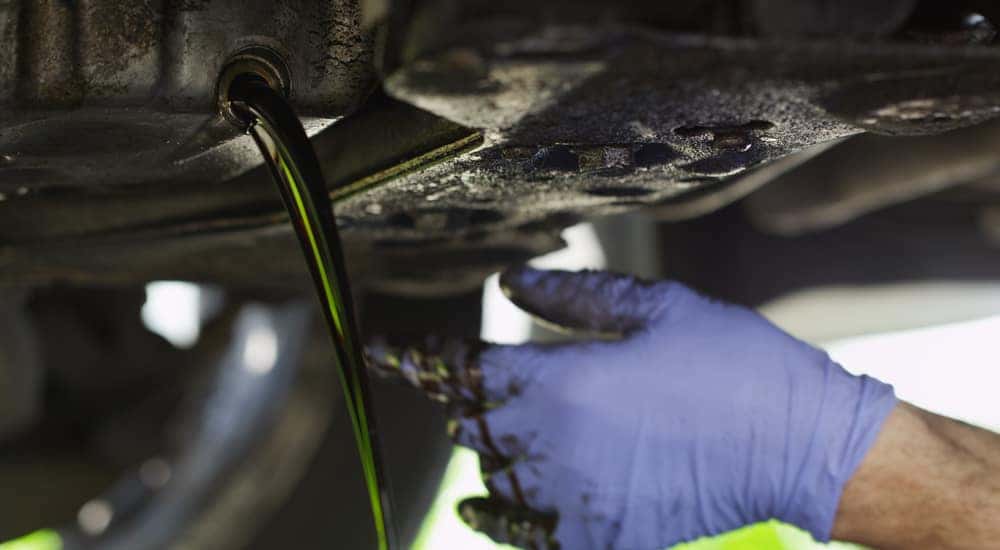
Once you’ve gotten your vehicle lifted or jacked up safely – that is, with the help of sturdy jack stands and rear wheel blocks to keep everything steady – you can locate and loosen the drain plug from underneath your vehicle. From there, it’s a matter of simply allowing the old oil to fully drain, replacing the drain plug with the proper torque (you may need a torque meter to ensure it’s not too tight or too loose), and filling the oil tank with around four to five quarts of new oil. Let your vehicle run for a few minutes to regain proper oil pressure and you’re good to get back on the road.
What About The Filter?
Ah, yes, the filter – the ever-important device that helps filter out debris and keep your oil clean for as long as possible. These are not only shockingly inexpensive from your local auto body store but can also typically be changed quite easily.
It’s best to change out your filter prior to pouring the fresh oil into the engine. Simply remove the old filter from its resting place (you may need a filter wrench to get it and the O-ring off completely) and empty it of the old oil before disposal. Then, take your fresh filter and prepare it for installation. This may require you to add a little oil to the O-ring for a more secure fit on the engine. It’s also usually a good idea to add some oil to the filter before you replace it, as this will help get your oil pressure back to normal more quickly. Screw on your new filter and then go ahead and pour the rest of your new oil into the oil tank.
Of course, if this whole job seems like it’s just going to be too confusing or too much effort, your mechanic will be more than happy to take care of it for you. Many auto shops combine the oil change with other routine maintenance, and oil change coupons seem to come out each week. This relatively inexpensive job takes only a few minutes, and could save your cars life in the long run.
How Long Until The Next Oil Change?
As we said before, you can usually expect to get around 5,000 miles from a fresh oil change, although this can vary depending on where and how often you drive. Many consumers also simply do everything on a regular cycle every six months – including an oil and filter change, tire rotation, and brake check. These routine maintenance jobs are some of the best methods for spotting major problems before they happen – saving you time, money, and frustration later on down the road.
So there you have it – just about everything you need to know about motor oil maintenance. Just think about your body – without the ability to produce fresh blood, we couldn’t function the way we should. Your car needs the same kind of care – only it’s relying on you to take care of it. Follow these basic guidelines and you and your car will be cruising along for years to come – for whatever the next great adventure holds.

2 comment(s) so far on Motor Oil Change: Why We Do It, And How Often
I only put about 2000 miles a year now on my 2004 Malibu. It has 136,000 miles on it. How often should i change the oil, and what kind of oil should i use?
Hi Nancy! For a vehicle of this age/ mileage we would recommend changing the oil every 3000 miles. Here at McCluskey, we use Dexos1 Synthetic oil on these vehicles. Hope this helps!