



Understanding Tires and Which Ones Are Best for Your Vehicle

If you need new tires for your vehicle, you might have come across all-season tires for sale and wondered if they were worth it. So, what are all-season tires, and do they offer a better value than snow tires or all-weather tires? At McCluskey Chevrolet, we get it; tires can be confusing. You want to make sure you’re making the best decision regarding your vehicle and safety. So there are several things you can ask yourself to make your day a little easier. First off, what are your winters like? If you see heavy snow, mud, and slippery roads, that could mean you’d benefit from snow tires. However, if your climate is a little milder and you see more sleet and rain, all-weather is your best bet. And all-season? They offer drivers balanced performance and are great for dry, warm, or damp driving conditions.
Then you might wonder what tires are worth it. “Can I just put all-season tires on my vehicle all year?” After all, they say they are all-season. It all comes down to personal preference, but there can be some advantages to changing your tires with the seasons. So instead of stressing about it or spending money you might not need to, the tire experts here at McCluskey Chevrolet are here to help. We’ve looked into the pros and cons of all-season, all-weather, and snow tires to help you tell them apart and make the best choice for your driving situation.
A Tire for Every Season: All-Season Tires
First, we want to go over all-season tires. Because of their similar-sounding names, all-season can get confused with all-weather tires, but trust us; they are different. All-season tires are made to offer the perfect blend of performance on dry or wet surfaces. They are ideal for summer, spring, and autumn driving. If you live somewhere with very mild winters, they work for that too. All-season tires are versatile, so many drivers like to have them on their vehicles all season long. If you are mostly an urban or suburban driver, all-season tires offer plenty of grip on paved surfaces, even when things get a little slippery. If you’re often battling heavy snowfall or rutted dirt roads, your best bet might be upgrading to all-weather or snow tires for more traction and control.
A lot of drivers go with all-season tires because this means they don’t have to worry about having their tires changed when things start to get cold. However, using all-season tires year-round means they can wear down quickly. It is good to know that because of their treads and construction, all-season tires tend to hold up fairly well. All-season tires can be an economical choice for drivers who live in mild climates or drive very little. But if you’re looking for more grip and don’t mind a seasonal change, snow tires can be worth it.
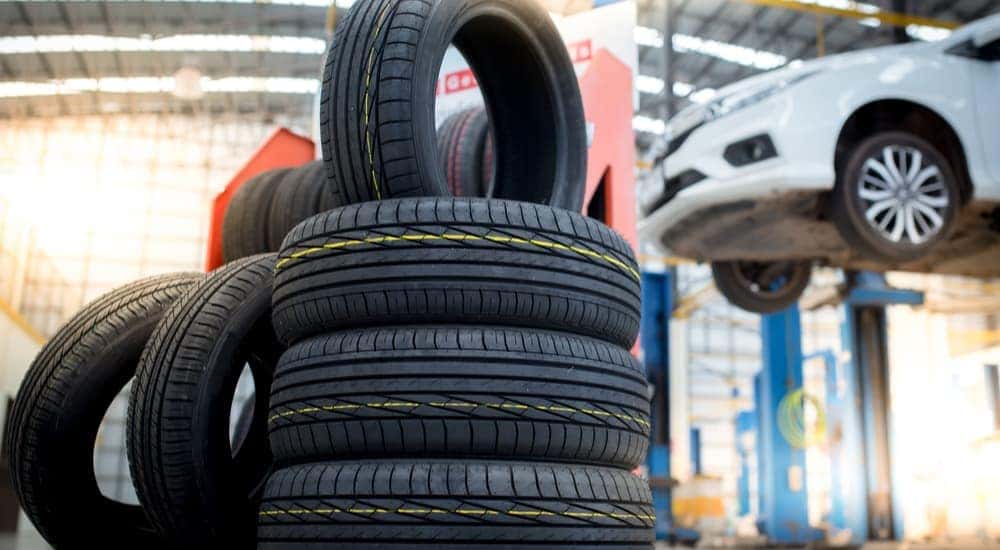
Tires for Every Condition: All-Weather Tires
All-weather tires are great tires for summer and winter months. In fact, they are found to offer better traction than some all-season tires. But keep in mind that because of their design, if you want optimal performance from your tires in the winter, investing in a great set of snow tires is your best bet. Not only will you have more traction and control, but you’ll save your all-weather tire treads for warmer days, helping them last much longer. While all-season offers drivers the benefit of great performance on dry pavement, all-weather tires give you increased handling over wet or sandy terrain. All-weather tires are perfect for drivers who often deal with unpredictable weather conditions.
If you’re confused about all-weather and all-season tires, look for the three-peak mountain snowflake (3PMSF) certification on the tire. This symbol can be found on all-weather tires but not all-season. Tires that possess this certification are deemed suitable for winter conditions. Because of this, if you can’t afford winter tires or can’t be bothered changing your tires every season, going with all-weather tires might be a safer bet than all-season.
Another feature that sets all-weather apart is its treading. The treads on a tire aren’t just for looks but can be carefully chosen design features that help optimize the performance and ability of the tire to tackle snowy or slushy roads. All-weather tires often possess either symmetrical or directional tread designs making them a great choice when dealing with cold, wet, hot, or dry driving conditions.
Looking closer, you’ll discover that all-weather tires differ from all-season when it comes to rubber as well. All-weather tires are made to handle lower temperatures and remain flexible, while all-season tires lose some flexibility once the temperature drops. All-weather tires are perfect for drivers who see mild winter weather. If you are usually out of town during the harshest time of year, sticking with all-weather tires is a safe bet. However, if you find that you have no choice but to tackle a little extra snow or ice once in a while, all-weather tires can help see you through.
Get a Grip on Winter: Snow Tires
Snow tires, or winter tires, are just what they say they are, built for the snow and harsh weather. There’s no doubt that snow tires reign supreme when it comes to tackling a number of winter road conditions. This can vary from icy or slushy, to slippery and snowy. If you want to have total peace of mind on winter roads go for the snow tires every time. While it might feel a little inconvenient to invest and change out your tires right around the start of the holidays (usually mid-November is a good time), the benefits of snow tires are worth it. Snow tires give drivers more balance, traction, and performance when compared to all-season or all-weather tires. Even in rainy conditions, snow tires hold an edge over the competition.
Snow tires are your go-to solution for winter driving, but these tires are not made to be driven all year long. Snow tires are designed with deep treads and a rubber that’s perfect for cold temperatures. This makes them great when you’re ripping through thick snow on a freezing cold day and need soft, flexible tires, but otherwise, not so great in other conditions. When you drive on dry roads the treads of your snow tires wear down quicker, which means that when winter comes around again they will be compromised and deliver less than impressive performance. For warmer months, switch to all-season or all-weather tires and extend the life of your snow tires and save yourself some serious cash down the road.
Swapping out your wheels at the start and end of winter are simple ways to get the most from your tires and ensure you stay safe all year long. If you’re dealing with extreme winter climates, exchanging your summer tires for winter ones is a great way to ensure your vehicle is running at peak performance.

Let Us Help You Find the Best Tires for Your Vehicle
We’ve gone over the basics of three of the most popular tire choices: all-season, all-weather, and snow tires. While plenty of other options exist (like touring tires, performance tires, and all-terrain tires), we want to stick to the basics and keep things simple. Knowing your tires and asking yourself a few questions about your driving habits and climate is an easy way to ensure you get the most from your investment and stay safe all year long.
To recap, all-season tires offer a great balance when it comes to performance. If you are dealing with dry, hot roads, all-season tires are a safe bet. All-weather tires offer drivers a little more versatility, as they are great for wet weather or dry driving, but they can also withstand a little cold and snow occasionally. Snow tires are designed to withstand snow, ice, and plummeting temperatures better than all-season or all-weather tires.
Now that that’s all cleared up, you can ask yourself, “Which do I need?” Tires are a great investment. They help your vehicle run better and can offer better traction and control when met with the right conditions. Changing out your tires with the season is a simple way to help make sure your car performs at its peak while keeping you and those you share the roads with safe all year long. If you are still unsure about which tires will best fit your needs, come talk to our knowledgeable team in the service and parts department here at McCluskey Chevrolet, and they will work with you to make the best decision for you and your vehicle.

0 comment(s) so far on Understanding Tires and Which Ones Are Best for Your Vehicle