



Why a Proper Alignment Is a Wheely Big Deal
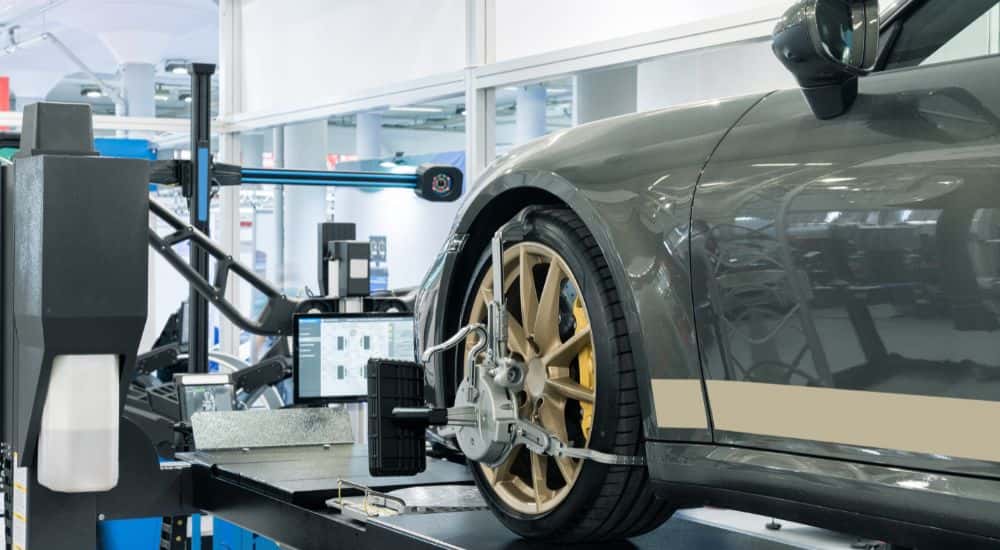
They say that an ounce of prevention is worth a pound of cure. That’s certainly true when it comes to your automotive maintenance routine. A little elbow grease can go a long way towards keeping you safe behind the wheel, and can even save you some serious cash in the process.
Take wheel alignment, for example. A set of properly aligned wheels can deliver years of consistent performance, not to mention a smooth, predictable ride. On the other hand, skipping out on regular wheel alignment service can see you spending some serious time in the breakdown lane while you wait for the tow truck.
Why is wheel alignment so important? How often should it be performed? What are some of the common signs that you’re overdue for service? As one of Ohio’s most trusted auto dealerships, McCluskey Chevrolet is here to answer any questions you might have about this vital maintenance task.
How Often Should You Get an Alignment?
Ideally, a wheel alignment should be performed every year, or roughly every 12,000 to 15,000 miles. Do you have a hard time keeping track of your maintenance schedule? Many experts recommend wheel alignment at every other oil change and tire rotation. Bundling these tasks together will not only save you both time and money but also ensure consistent performance every time you hit the road.
Some motorists might be able to get away with a more relaxed schedule if they don’t put many miles on the odometer or practice especially good driving habits. However, it’s always better to err on the side of caution when it comes to automotive maintenance and repair. On the other hand, those who regularly encounter bumpy roads, tow heavy loads, or have a suspension that’s past its prime might need to adopt an accelerated wheel alignment schedule.
What Happens If You Don’t Get a Wheel Alignment?
Regular wheel alignments are a vital part of any good automotive maintenance routine. A little TLC can go a long way toward keeping your ride on the road and ensuring a safe driving experience. While a misaligned vehicle is unlikely to cause an accident, it can lead to dangerous outcomes and have a noticeable impact on your wallet.
Take your tires, for example. Under normal driving conditions, a new set of tires should last between 50,000 and 60,000 miles, or about three to five years. The math quickly changes when you don’t treat wheel alignment as a priority. When wheels fall out of alignment, the tires essentially drag across the ground instead of rolling as intended. This can lead to bald, flat spots on the tire and a hefty bill at the tire shop. A set of moderately misaligned wheels can reduce a tire’s tread life by 30% to 50%, while severe misalignment can see a new pair of tires kick the bucket in as little as 500 to 700 miles.
A simple wheel alignment isn’t a significant investment at around $125. It’s much cheaper than a replacement set of tires, which averages $500 to $1,200. Tires aren’t the only area of concern, either. A misaligned vehicle can also accelerate wear and tear on crucial suspension components, including tie rods, ball joints, and bushings.
Then there are the associated fuel costs. In an era of uncertain energy prices, most drivers are looking to squeeze the most mileage out of every gallon. Good driving habits can have a noticeable impact on your weekly gas bill, as can regular oil, filter, and fluid changes. Drivers should not discount the importance of an alignment. Data suggests that a misaligned vehicle can lead to a 10% reduction in fuel economy due to increased friction, which can easily add hundreds to your annual gas bill.
Misaligned wheels aren’t the leading cause of sudden blowouts, but they certainly don’t put any rubber back on the tires. Most drivers will notice some common alignment-related warning signs before a blowout can occur, but there’s simply no reason to take a chance when it comes to a two-ton vehicle that regularly travels at upwards of 70 mph. Misalignment can also lead to reduced steering responsiveness and overall control, significantly impairing a driver’s ability to avoid an accident.
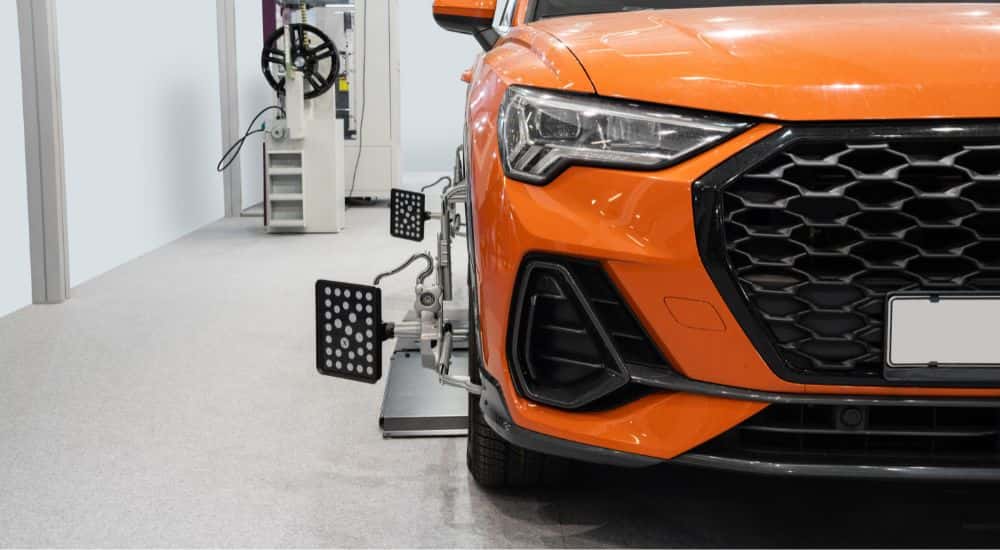
Signs That You Need a Wheel Alignment
Your vehicle is smart and will tell you if it needs an alignment. It won’t tell you through a message on your dashboard, but through its behavior. Here are some of the telltale signs to look for.
Vehicle Pulls To One Side
Life is hard enough without constantly feeling like you’re fighting your vehicle for control. If you’ve noticed that your car, truck, or SUV has developed a tendency to drift to one side when driving down a straight road, it’s a pretty clear sign that you’re overdue for an alignment. This type of drifting is both dangerous and unsettling. While alignment-related issues aren’t always to blame, they’re typically the prime suspect. Other possible causes range from low tire pressure and steering column wear to worn brakes and defective tires, but the first question out of any qualified mechanic is sure to be “when’s the last time you had an alignment?”
If you want to try to diagnose the problem without calling in the pros, there are a couple of easy ways to confirm that your drift-prone ride might be suffering from an alignment issue. It can be tough to notice a vehicle subtly pulling to the left or right while you’re holding the steering wheel, since drivers are accustomed to making constant micro-adjustments as they cruise down the road. Instead, take your vehicle to a closed area, such as a little-used parking lot, and try driving in a straight line while keeping your hands just above the wheel. If the steering wheel drifts to the left or right and you’ve already ruled out faulty brakes or tires, you’re probably looking at an alignment issue.
Other Causes
A vehicle that subtly pulls to one side is the most common symptom of poor alignment, but it’s certainly not the only one. Those who have neglected this all-important task might notice a wide range of automotive ailments that can affect both safety and performance. Some are obvious, and others require further diagnosis, but none should be ignored.
Vibrating Steering Wheel: Heated steering wheels are a relatively common feature on many premium models, and some high-end luxury vehicles even include available ventilation, but a vibrating steering wheel isn’t an added comfort feature. It’s a sign of a deeper problem. If you notice that your steering wheel tends to vibrate while in motion, especially at higher speeds, you could be looking at an alignment-related issue.
Loud Tires: If your tires tend to make a racket under normal driving conditions, your alignment could be to blame. Misaligned tires tend to develop flat spots that can essentially drag across the ground when cornering. This not only wears away valuable rubber, but it also creates a noisy driving experience that’s both dangerous and annoying.
Uneven Tire Wear: A conspicuous flat spot isn’t hard to notice, but some types of tire wear can be tougher to spot. When it comes to alignment, the inner and outer edges of the tires can really tell the story. If one of these areas seems to be wearing out quicker than the rest of the tire, it’s a safe bet that you’ve got some alignment work in your future.
Poor Fuel Economy: Every vehicle tends to lose some amount of efficiency over time, but if you suddenly find yourself paying more at the pump, it could be time for an alignment. Misaligned wheels can lead to as much as a 10% reduction in total fuel economy, which is a pricey proposition in this day and age. Most modern vehicles allow drivers to quickly check their average MPG, which can be handy for diagnosing various mechanical issues.
Bumpy Ride: A bad pair of old, worn-out shoes can be all it takes to aggravate an existing knee issue or develop new joint pain, and your vehicle is no different. When our tires are past their prime or the wheels are misaligned, it can easily lead to large suspension-related issues. A wheel alignment is a relatively cheap maintenance task, but a new suspension is a different story altogether. If you want to get the most out of your automotive investment, keeping up with routine maintenance is key.

The Stars and Wheels Align at McCluskey Chevrolet
From wheel alignment and oil changes to tire rotation, new spark plugs, and more, keeping your ride in tip-top shape starts with finding the right partner for maintenance and repair. While some automotive tasks are well within the purview of the average driver, wheel alignment isn’t one of them. The task requires specialized tools, technical skills, and a whole lot of patience.
If you’re looking for the professional touch and some of the best service in Greater Cincinnati, we’re here to help. From our experienced team of factory-trained technicians to our genuine OEM Chevrolet parts and state-of-the-art diagnostic equipment, you’ll enjoy a service experience that’s second to none when you work with our team. Stop by today and learn how a quick wheel alignment can easily improve your daily driving experience.

0 comment(s) so far on Why a Proper Alignment Is a Wheely Big Deal